
I’m a Chicago-based visual artist working primarily with street photography and short-form video. My work focuses on capturing the city through a retro, nostalgic, movie-like lens—observing everyday moments, people, light, and atmosphere as they naturally unfold.
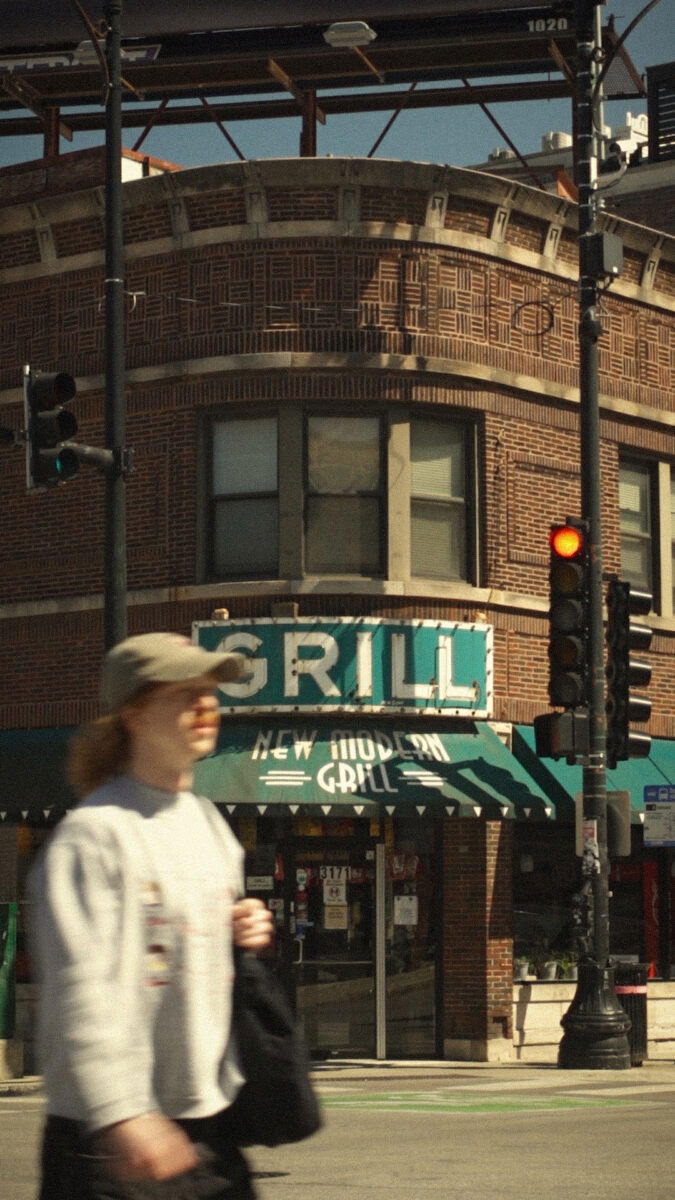 I’ve been building my creative profile for a little over three years. Much of that time wasn’t spent posting content or chasing metrics, but studying. I immersed myself in different formats, references, and visual languages, paying close attention to how artists translate reality into something emotionally recognizable. Nearly a year and a half was dedicated specifically to observing street photography through the prism of Instagram Reels—understanding rhythm, framing, pacing, and how emotion operates within a one-minute visual narrative.
About a year-and-a-half ago, I began actively developing my own project. From the start, my goal wasn’t quick monetization or viral growth. It was something far more foundational: building a visual identity—an aesthetic language people could recognize without seeing a name, logo, or caption.
What makes my process slightly unconventional is the tool I rely on. I shoot most of my work on a Sony ZV-1—far from the most expensive or traditionally “cinematic” camera available. Yet that simplicity is intentional. I regularly receive messages asking how I achieve a certain look with such a modest setup. The answer is never a complex configuration or aggressive color grading.
Instead, it’s a long process of refinement: how I work with available light, where I place the frame, how I limit color, and—most importantly—how I remain consistent over time. I aim to keep my visuals natural and honest. Authenticity matters more to me than technical perfection. Rather than overpowering an image with effects, I let the city speak for itself.
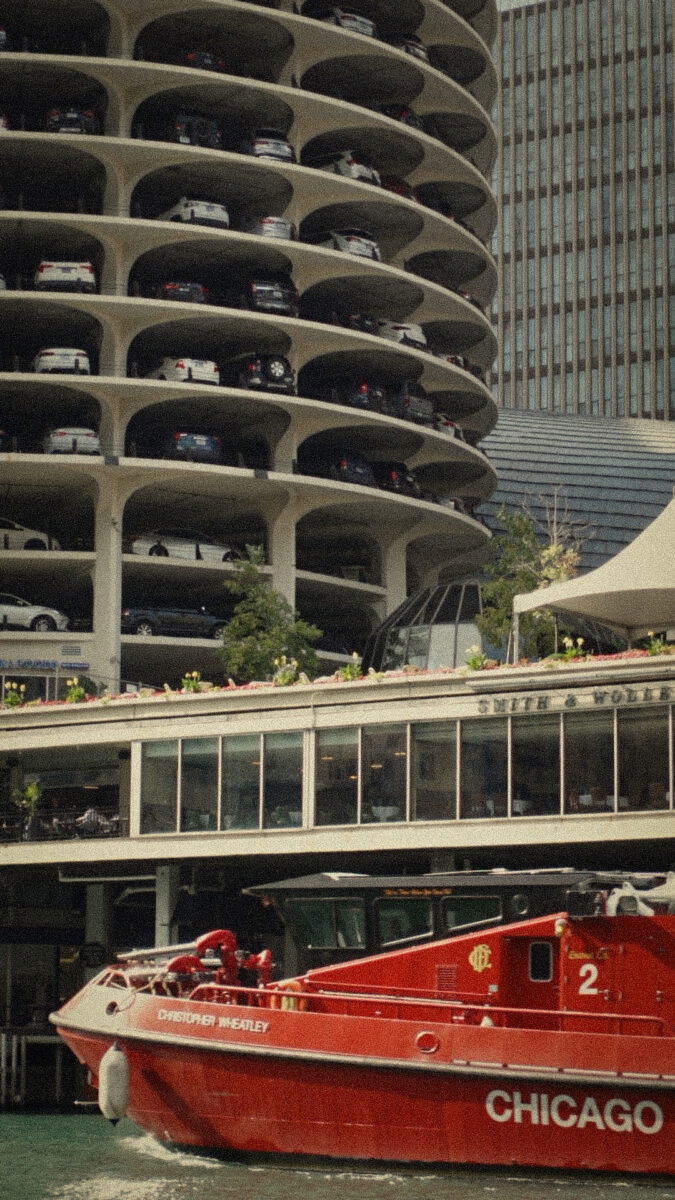
This philosophy connects directly to why visual identity has become even more important in the AI content era.
We’re now surrounded by AI-generated imagery that is breathtaking on a technical level—perfectly lit, hyper-detailed, visually flawless. AI is an incredibly powerful creative tool, and I genuinely believe in its potential. But its rise has also made something else clearer than ever: the increasing value of human imperfection, natural texture, and real emotion. When perfection becomes accessible to everyone, what grows rare—and therefore meaningful—is a recognizable human perspective. A true visual identity carries intention, context, and time within it. It reflects thousands of consistent decisions rather than instant results. It’s shaped by taste, limitations, and lived experience.
For creators starting from scratch, this distinction is critical. Before thinking about growth strategies or monetization models, there’s power in asking deeper questions: What does my work feel like? What emotion does it leave behind? Would someone recognize it without knowing who made it?
Visual identity isn’t built overnight. It emerges through repetition, patience, and learning to trust one’s own eye. Limitations don’t weaken it—they define it. In my case, working with a simple camera didn’t restrict my vision; it helped clarify it.
Today, my project is about sharing the natural beauty of the city, preserving real moments, and building an art brand slowly and intentionally. I continue to challenge myself, refine my process, and explore new ways to express the same core feeling.
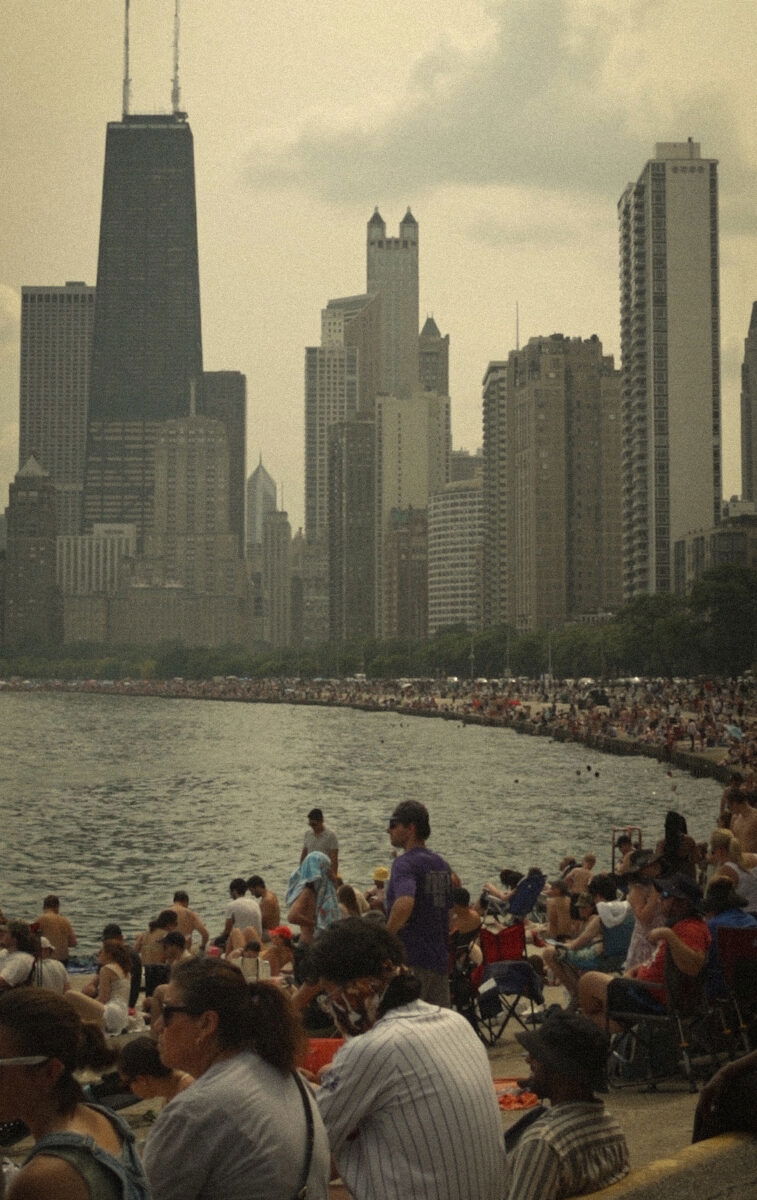 In a world where content is increasingly automated, visual identity is no longer optional. It is the foundation that allows creators to remain human, recognizable, and meaningful—no matter how advanced the tools become.





Share this post with your friends.

