
Wendy Fontaine is the 2nd place winner of Streetlight‘s 2026 Essay/Memoir Contest
I need to find my winter boots
My daughter is home from college on her freshman spring break, and she wants to wear them to a swim meet. She’s here for such a short time and anxious to see old friends and teammates from her high school swimming years, despite the lousy weather. Three straight days of precipitation, flooding and wind. An atmospheric river, they say, creeping in from the Pacific. Just this morning, as she lay sprawled in her bed, I ran errands through town while hail bounced off the hood of my car. I turned down the radio to get a better look. That’s when I saw ice pellets pinging back and forth. Such a strange thing to see—ice and palm trees at the same time.
Now she’s awake, dressed, and asking to borrow my car and my boots, only somehow I cannot find the boots. I go room to room, searching. They aren’t in my bedroom or my office or in the coat closet, where they’ve been sitting on the top shelf for the past six years, waiting to be called into service for a holiday trip to Big Bear or Arrowhead or the occasional cold snap. And yes, we do get cold snaps in California. We have damp days and downpours, when showers soak through the mail inside the mailbox, when the welcome mat gets waterlogged and the air floats in front of your face like a phantom.
Once, during her junior year of high school, my daughter swam a race during a snow squall. She climbed up onto the block and assumed her dive position as soft white flakes blanketed her bare shoulders. Pools in southern California are all outdoors, and swimming is a winter sport. The water is heated, yes, but the air is still cold. That day, the temperature dropped into the thirties. When the buzzer sounded for her start, my daughter dove in and freestyled a hundred yards. By the time it was over, her legs were numb.
On those days, when flurries swirled or rained poured down, I lent her my winter boots. She’d slip her pool-soaked toes into the furry ivory lining, then go huddle under the swim tent with her teammates, all of them gorging junk food and watching Instagram reels until their next event, which could be twenty minutes or could be two hours depending on the size of the meet. I’d make do with thick socks and sneakers, huddled on the stadium’s aluminum bleachers, shivering and cheering and wishing it were warmer.
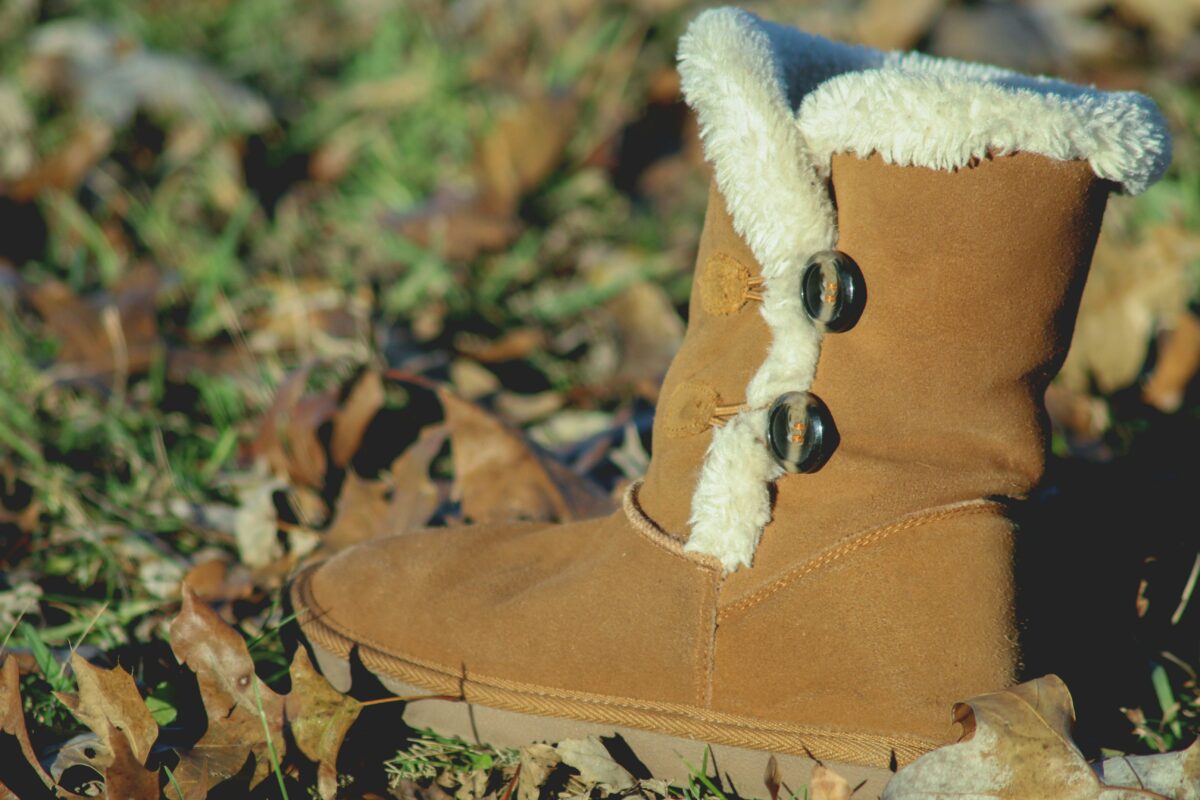
Now here she is, needing the boots again–only this time to be a spectator on the sidelines, to be the watcher and the cheerleader, the giver of pep talks. My old job. Today she’ll be standing on the slippery pool deck for hours in the bitter cold, the air both numbing and stinging at the same time, and the winter boots cannot be found.
I look in the garage, in the box where we keep snow pants and parkas, items of clothing needed only once a year, for sledding at Mt. Baldy or Frazier Park. Once, during the pandemic, we drove north through the Antelope Valley until we found snow-covered Joshua trees. The trees looked strange, covered in white but also charred black by a wildfire that burned through the area three months earlier. We stopped by the side of the road and built a tiny snowman with two eyes, no mouth. We would’ve given him a mouth, but we couldn’t find enough rocks.
Now I need to find my winter boots. I want to give my daughter the warmth, the comfort she’s asking for. She needs me for so few things these days. No more driving her to this pool or that. No more making her favorite meals at dinnertime. I can’t soothe her when she’s away at school and sick with the flu. I can’t hug her at the end of a long day and tell her to sleep tight. I try to give her advice about college. Get your assignments done early. Be on time for class. But she doesn’t listen. Instead, she turns her work in late and sleeps through morning classes. She goes on midnight hikes with friends through the hills around campus, where there are coyotes
and scorpions and who knows what else.
When I was little, my parents were too busy working their shoe factory jobs to anticipate my desires, so my own mothering took the form of being one step ahead of the game—ready for anything. I got Angie all the right snacks for swim practice. I bought two of every piece of clothing, one for her to wear now and one a size up for later. I registered her for the summer camps, music lessons and art classes I thought she might enjoy. Once, I woke up at 4 a.m. to get in line with a hundred other moms for summer swim registration. I unfolded my chair in the dark and clutched my insulated coffee mug until the sun rose, until they opened the doors of the community center and let us all in to fill out registration forms. Then I spent our summer vacation sitting by the pool, delighting each time she put her face in the water or jumped off the diving board.
Now, my daughter no longer needs me for snacks or sweatshirts or swimming. She doesn’t want pointers about eating healthy in the cafeteria or getting homework done or cleaning her dorm room. She doesn’t need me to lecture or remind. She wouldn’t listen even if I did. These days, my mothering takes the form of waiting—waiting to see what she will ask me for or what her text messages will say. I make myself busy with housework or exercise whenever I feel the urge to call and see if she’s awake for class, if she has finished her homework or if she’s eating a salad. These things are not my job anymore. They’re hers. And while it hurts me to say this, while it hurts me to not do these things for her anymore, it also makes me feel proud. Because we did it. I did it. I raised her. She doesn’t need me as much, at least not in the same ways as before. And that’s a good thing, even if it makes me feel a little bit lost sometimes.
I really wish I could find those boots. But I can’t. I’ve looked everywhere. I offer her my hiking shoes instead, not fur-lined but still waterproof, still reasonably insulated. She accepts them, along with the keys to my car. At the end of the driveway, before she drives off into that atmospheric river, she rolls down the window and waves.





Share this post with your friends.


What an incredibly touching and satisfying read!