
“I’m always having a conversation with myself between art and craft. Art is for the heart and craft for the wallet,” says fine artist and fine craftsman Alan Box Levine in his studio at the McGuffey Art Center In Charlottesville, Va. “Art is a window to the world. It has nothing to do with money. I also restore old things—windows, tables, chairs, book cases—for a living.”
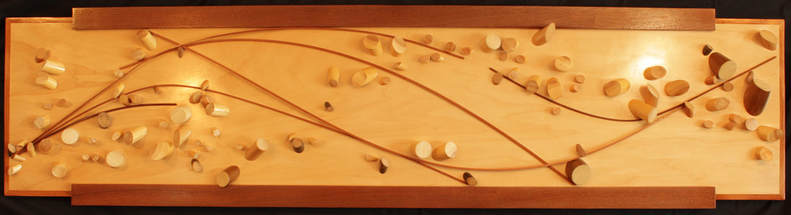
Levine’s compact studio displays the makings of his varied talents. Displayed are wooden benches, boxes of all sizes, dried flowers, toys, vintage family photographs. An antique ladder back chair awaits his refurbishing.
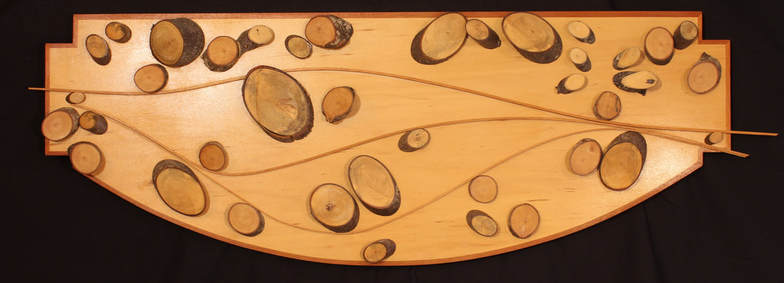
“I’m an old soul, a visual person. I’m looking for ideas in dreams, music. I like to combine things, found objects,” says Levine. His combinations are often playful, whimsical and have movement. A tiny music box plays “Happy Birthday” next to a wooden pillar with a model toy car on top. A fireplace brush sits on a wedge of mahogany. A child’s wagon is made from old Pepsi ad boards. A wooden egg is painted blue to look like the earth.
“Maybe it all started early, in shop class, learning how things work,” he says. “That led to my fascination with tools, and the understanding of materials.
“Growing up in Asbury Park, at the Jersey shore there were boats, and skateboards. I was drawn into how waves break, the run of the wind, and the disappearing perspective.
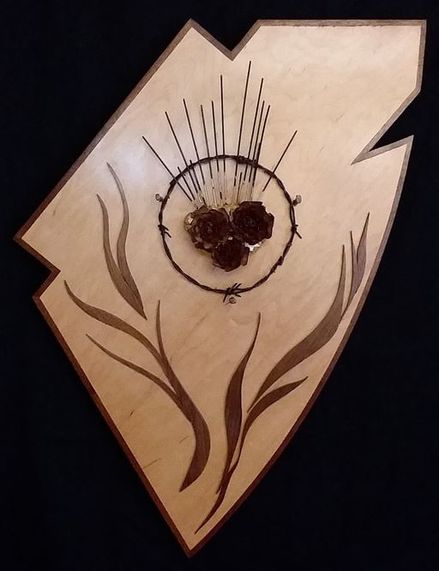
“Somewhere along the way, I started putting it all together, and the leftover bits were made into free imaginative fun sculptures, and assemblages.”
Levine hitchhiked across the country several times and ended up in Northern California. In the late ’80s, he graduated from Sonoma University with a degree in studio art, studying sculpture, print making, poetry and tai chi chuan. “I took up restoration work there, working on antiques and vintage furniture. Found wood was very important to me besides being surrounded with all those trees,” he says.
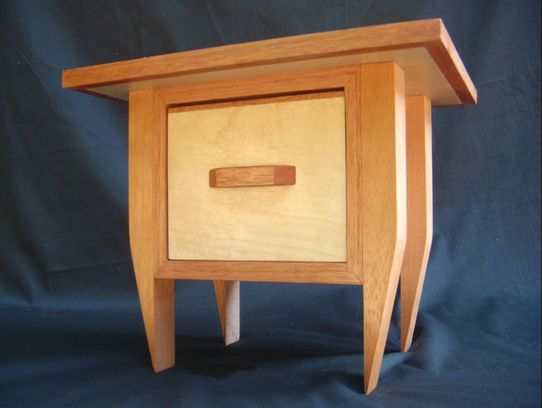
After a decade on the west coast creating art and restoring furniture, Levine moved to New York City where he was an exhibit builder and designer, traveling the country as a manager. Ten years later, he moved to West Palm Beach, Fla., settling into a community of artists. Building upon his love of wood, with his skills as an artist and craftsman, he created cabinettes and assemblages and exhibited his works in galleries, museums, and craft fairs.
Today, living in Virginia, he pursues cabinet making, furniture restoration, sculptures, site-specific installations and mixed-media collages.
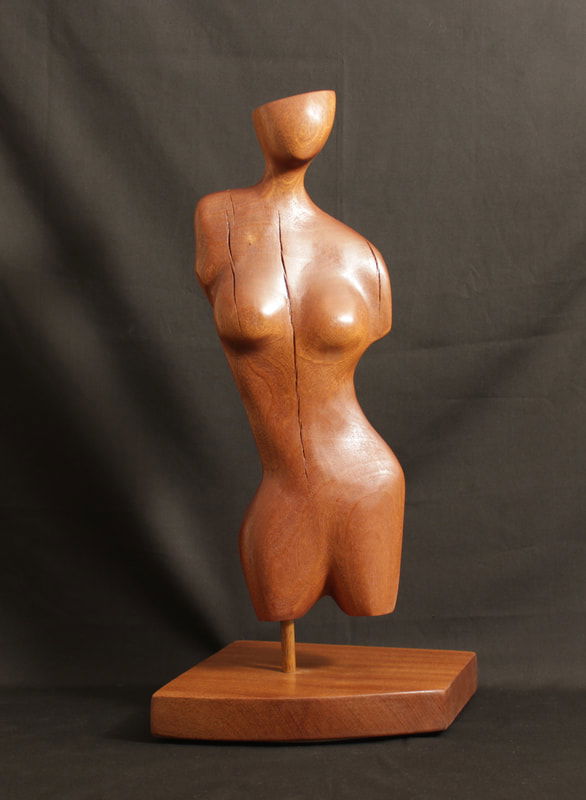
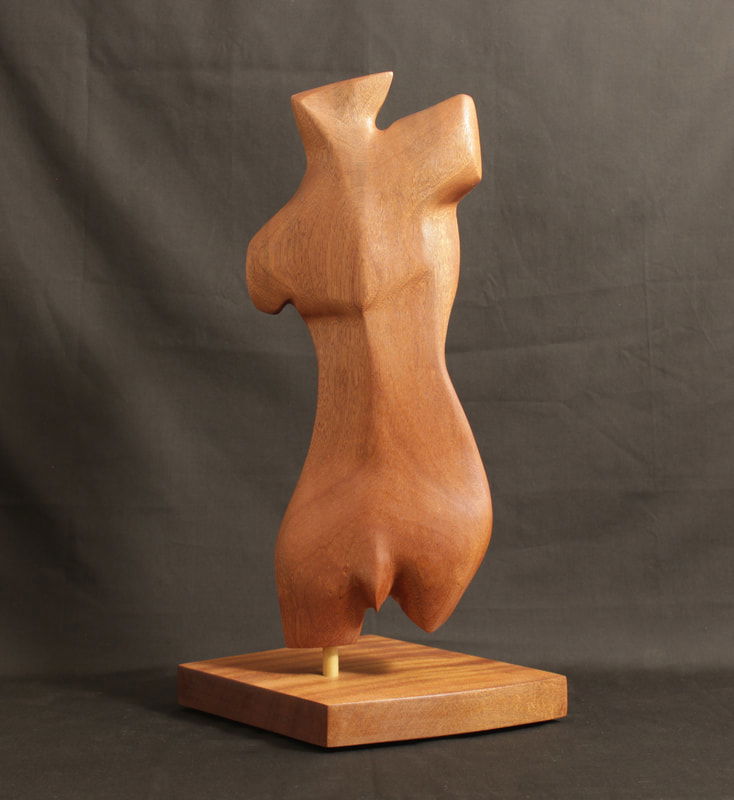
Elegant nude figures are formed from live models. Levine begins by drawing the figure onto blocks of mahogany, oak, maple or poplar. Next he carves the wood with a chainsaw, an angle grinder and finishes with sanders.
“I like how wood can be used and sculpted. You learn to favor the grain,” he says. “Every time I use wood, I’m looking at where it’s been weathered and I’ll use that in my sculpture.”
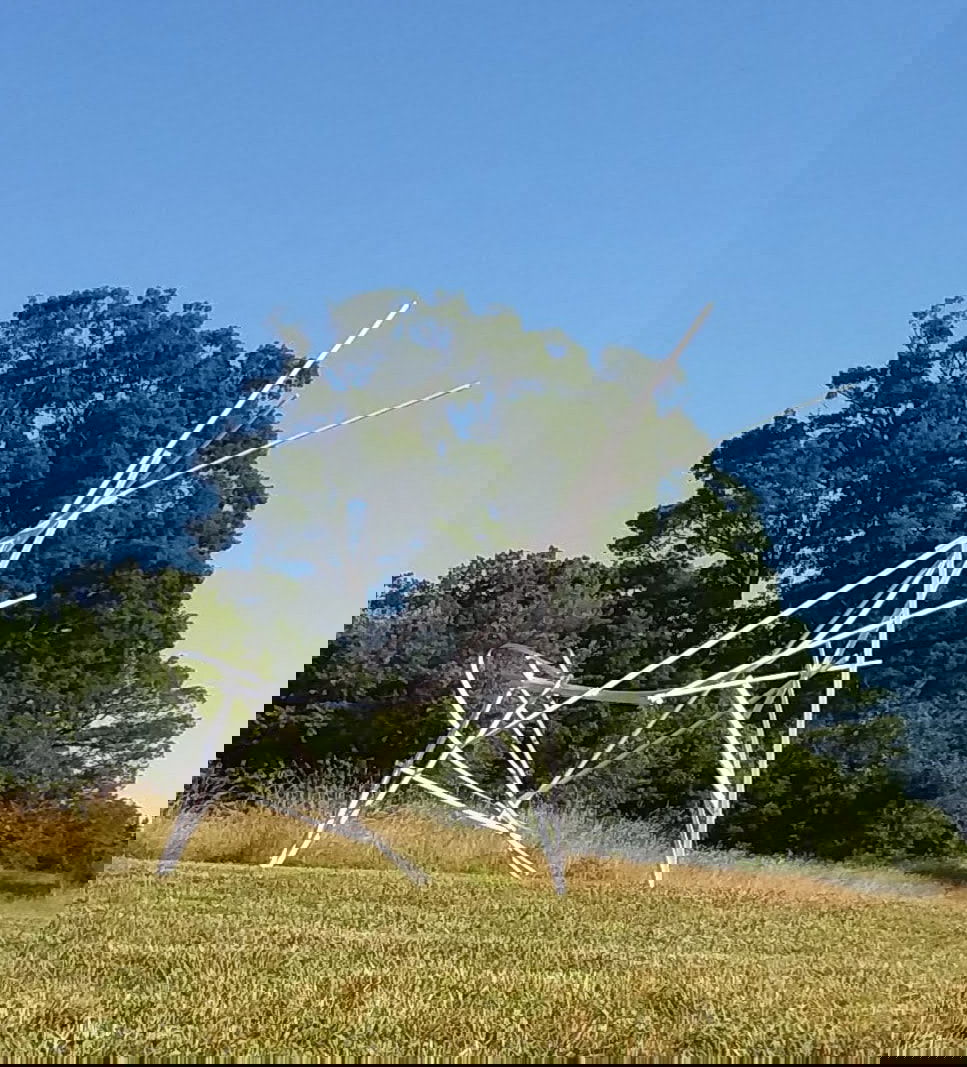
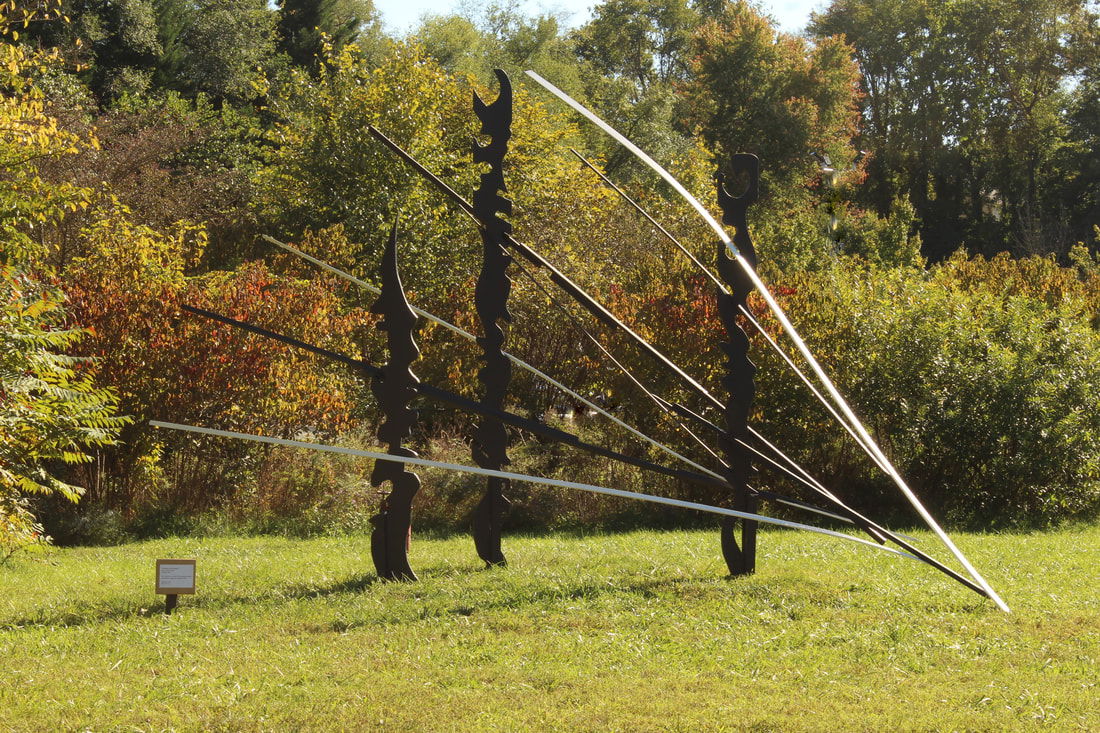
For his imaginative installations, Levine studies the lay of the land where the pieces are to be placed. He works on-site with his materials as well as from smaller models in the studio.
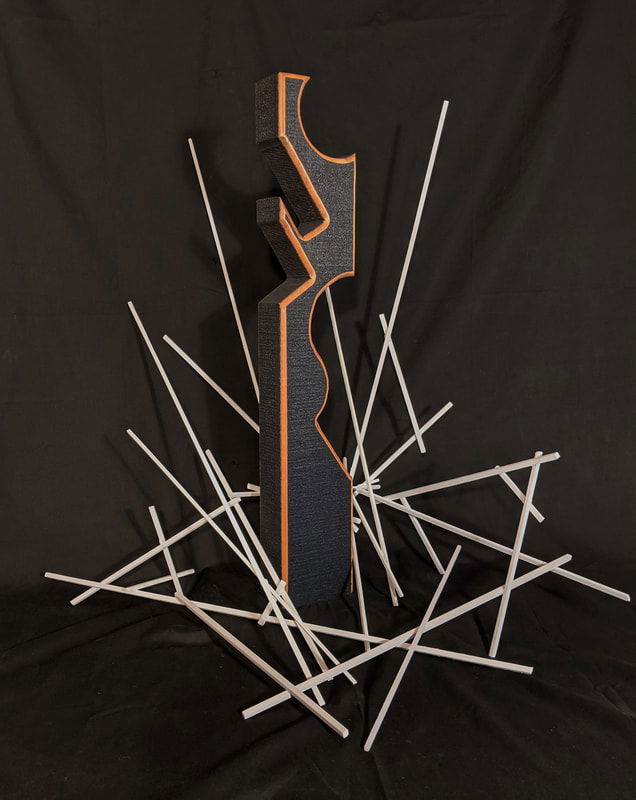
Noting artists he admires Levine says, “In the ’60s and ’70s, I was excited to learn about Calder, Cornell, Nevelson, DuChamp, Dadaism, Surrealism, NYC museums and galleries.”
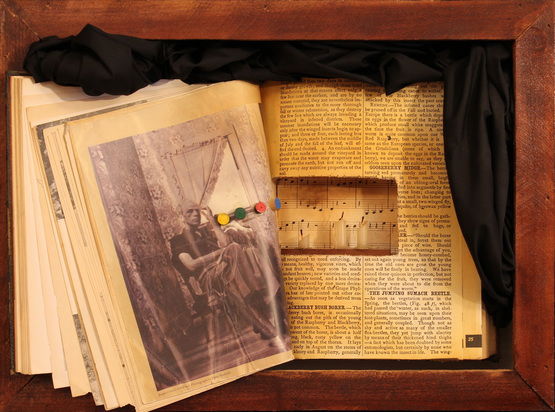
Joseph Cornell’s famed glass-fronted boxes of assemblages are referenced in Levine’s cigar and wooden boxes, their eclectic contents inspired by dreams or family memories.
‘My fine art rather than fine craft is done thinking from the heart,” he adds. “When it’s fine art, I’m just considering what materials I have available, what I want to present. It’s a diary, it’s an autobiography. It’s something that is important to me.”
Levine’s provocative and inspiring titles reflect his concerns and beliefs. A poet, he considers himself “spiritual, a deep thinker.”
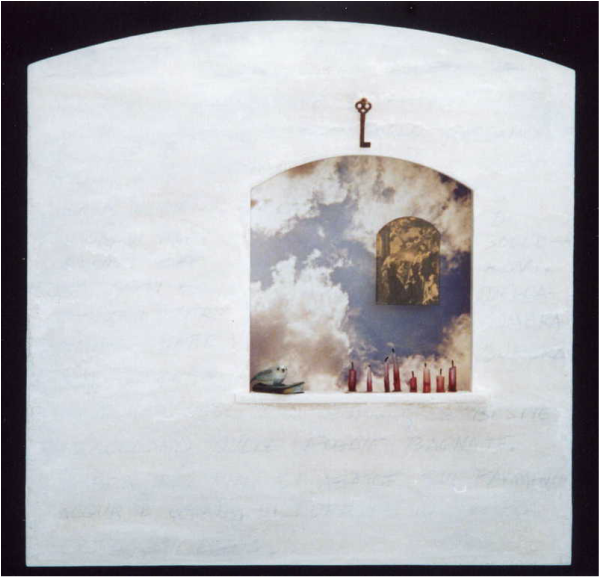
“If,” he says “I’m using a word as a tool, a title, I’m only helping people understand the work is something they’re familiar with. It’s to see what I’m trying to present visually. I use the materials that are around me. I use words that inspire me to draw direction, a doorway means this is how you enter something.
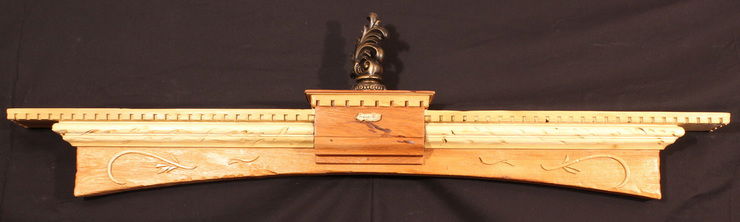

“The creative process often requires me to draw from my personal experiences. This deep self-awareness allows me to create work that resonates with authenticity and emotion. Creating art work is a unique process of problem solving, where I find creative solutions to technical challenges and ways to express complex ideas,” says Levine.
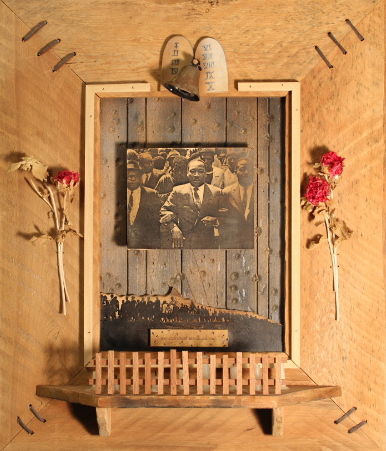
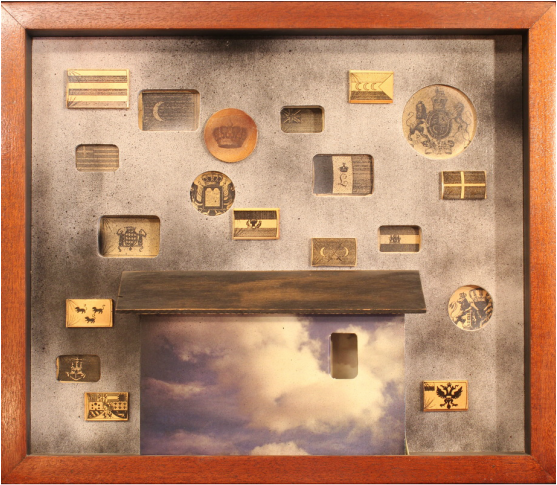
While creating fine art, Levine continues his restorations. On a second visit to his studio he was restoring window sashes for a hundred-year-old house where raccoons had eaten away the windows. He was also working on a kitchen putting in new drawers. For another customer, he was building medicine cabinets in the Mission style. He’d recently built a handsome box to contain a unique chess set.
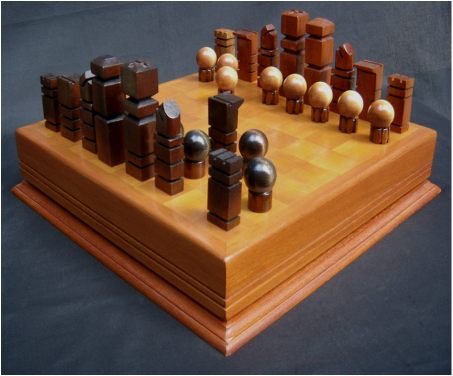
Ultimately, says Levine, in building things “everything to me is a box.” He points to one of many small, lidded boxes. “I just find the box as something empty, but then we fill it like a child. You put in a love note from your child or from a stranger who was important when you met and gave you a note.
“Some time ago I was making so many boxes, friends said, ‘we’re going to call you ‘Box,’ so it’s a name of endearment.”
Levine adds his credo as artist, craftsman and restorer. ”For me. It’s all in the time spent on the details. Minutes do not exist. Only effort, skill, and tools. I am the process. I focus on what is in front of me. By removing the anxiety about the end goal, the joy appears.”





Share this post with your friends.

