
Painting and drawing get equal time with Charlottesville-based Carolyn Capps, who has taught art at the University of Virginia, Washington and Lee, and Antioch College. Her work has been shown at Roanoke’s Taubman Museum and the Mobile Museum of Art, among other venues, and is held in numerous private collections. An extraordinarily productive artist, Capps currently works and teaches classes at the McGuffey Art Center.
Russell Hart: How did you get into the visual arts?
Carolyn Capps: I was exposed to the arts early. My parents grew up in Black Mountain, North Carolina when Black Mountain College was there. The college brought in world class artists and thinkers and their presence had a big impact on my parents. They passed their love of the arts on to me.
For most of my childhood I pursued dance. After attending the North Carolina School of the Arts for a few summers as a dancer I switched to the visual arts and went back for several school years. It was there that I met my husband, Darryl Brown. I later received my BFA from East Carolina University and my MFA from the University of Georgia.
Hart: You teach art as well. What influence does teaching have on your artmaking?
Capps: I was an adjunct professor for about twenty-five years. I taught mainly at Washington and Lee and UVA. Teaching is closely tied to my art-making practice, and I’ve learned a lot about both teaching and making art from my colleagues. Brian Counihan, who teaches in Roanoke, and Leigh Ann Beavers, who teaches at Washington and Lee, were particularly influential for me as they were both creating the kinds of layered images I now make. As I became more comfortable teaching I found that it allowed me to learn from my students as well. Ideas I’m wrestling with in my own work I can assign to my students and instantly get twenty versions to think about.
I now teach at the McGuffey Art Center. I enjoy teaching in the community every bit as much as I did at universities. My students stay with me much longer, giving me the opportunity to see their visual voices emerge. They are of varying ages and stages of life. One of my students just left for art school at VCU while others have been to art school before and are finding their way back to art after working and raising a family. Having worked alongside professional artists in universities and in communities like McGuffey, and also having taught maybe thousands of students, I’ve come to believe that making art is a fundamental human behavior, and that talent is everywhere.
Hart: What artists have influenced you?
Capps: In my formative years I loved the Post-Impressionists, Gauguin and Van Gogh, and Modernists like Rauschenberg. As a young adult I admired Neo-Expressionists and artists such as Eric Fischl, Sigmar Polke, and Gerhard Richter. I love all kinds of work from the most conceptual to the simplest of landscapes, but I’m influenced most by artists who engage me on both an emotional and an intellectual level.
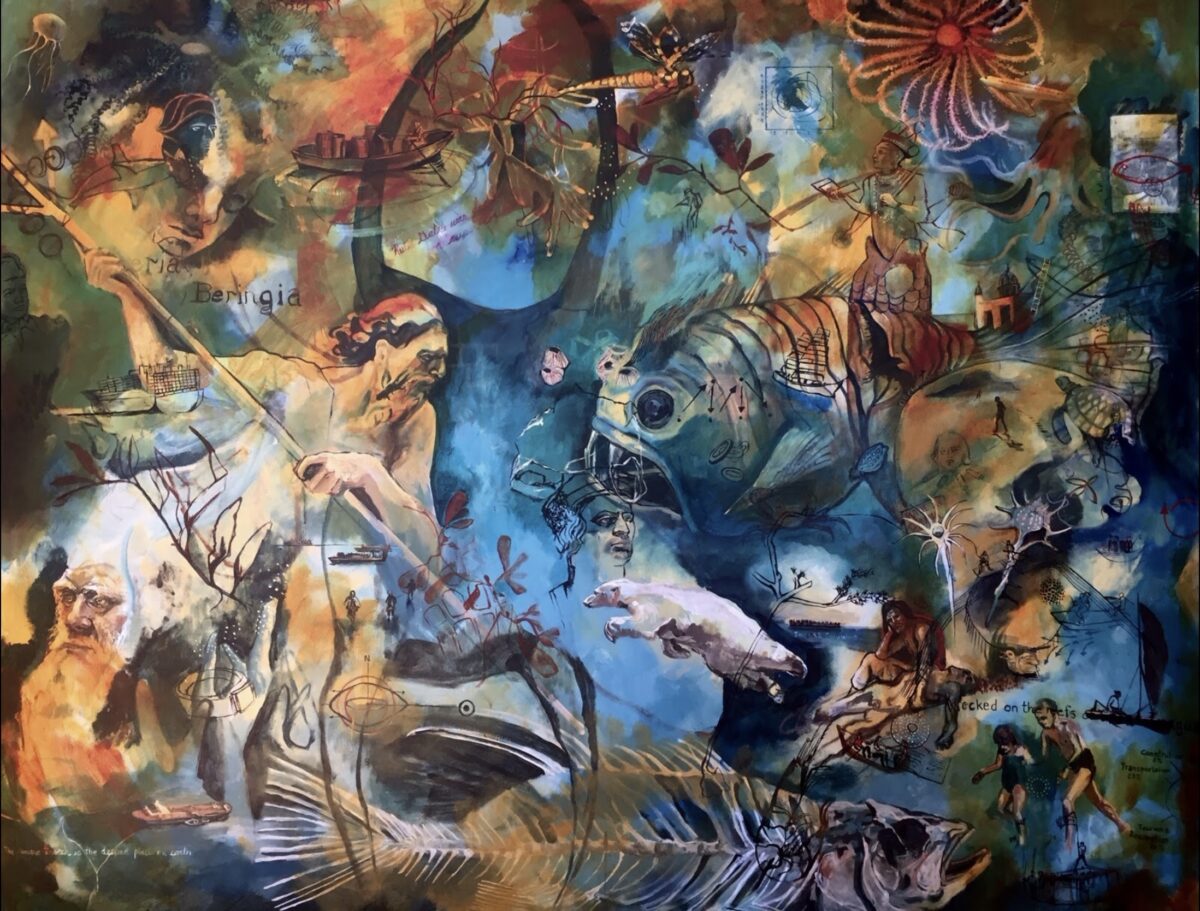
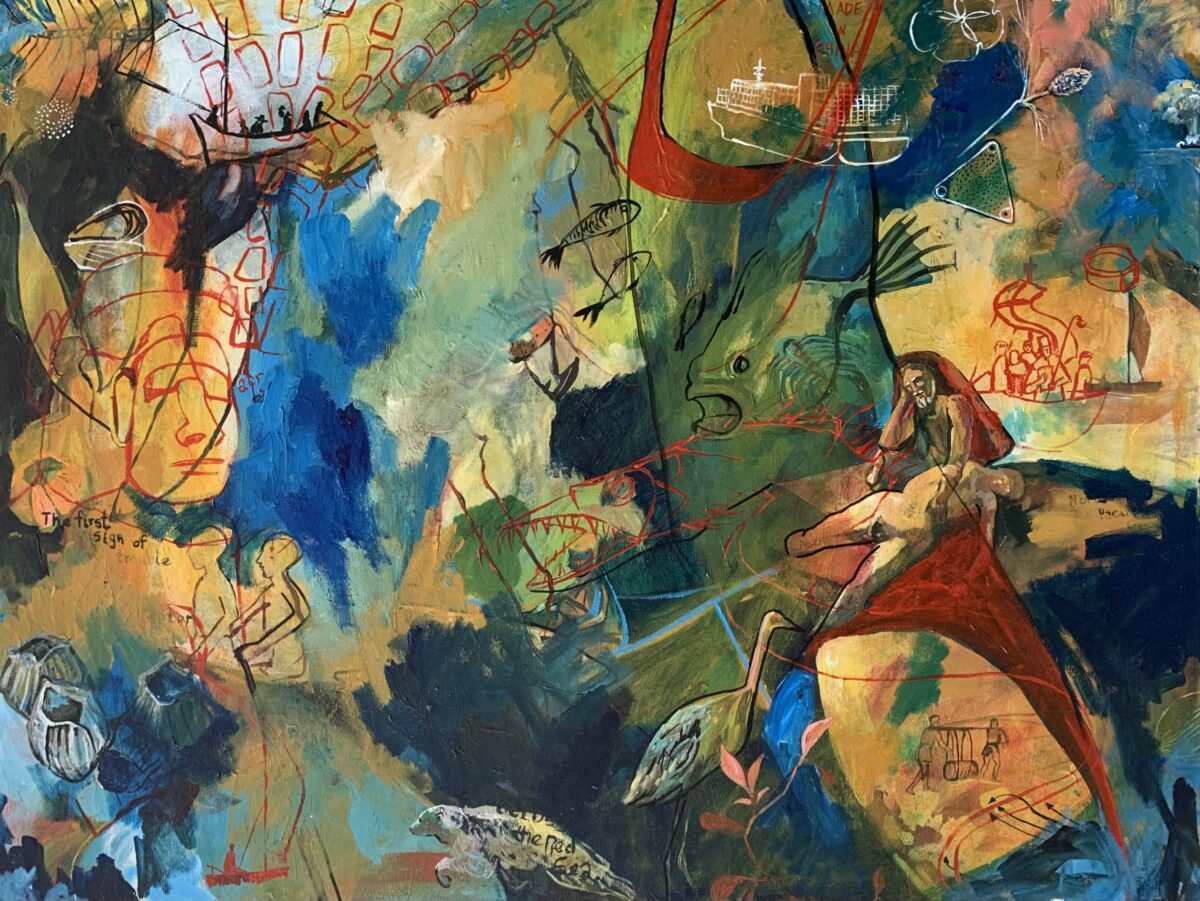
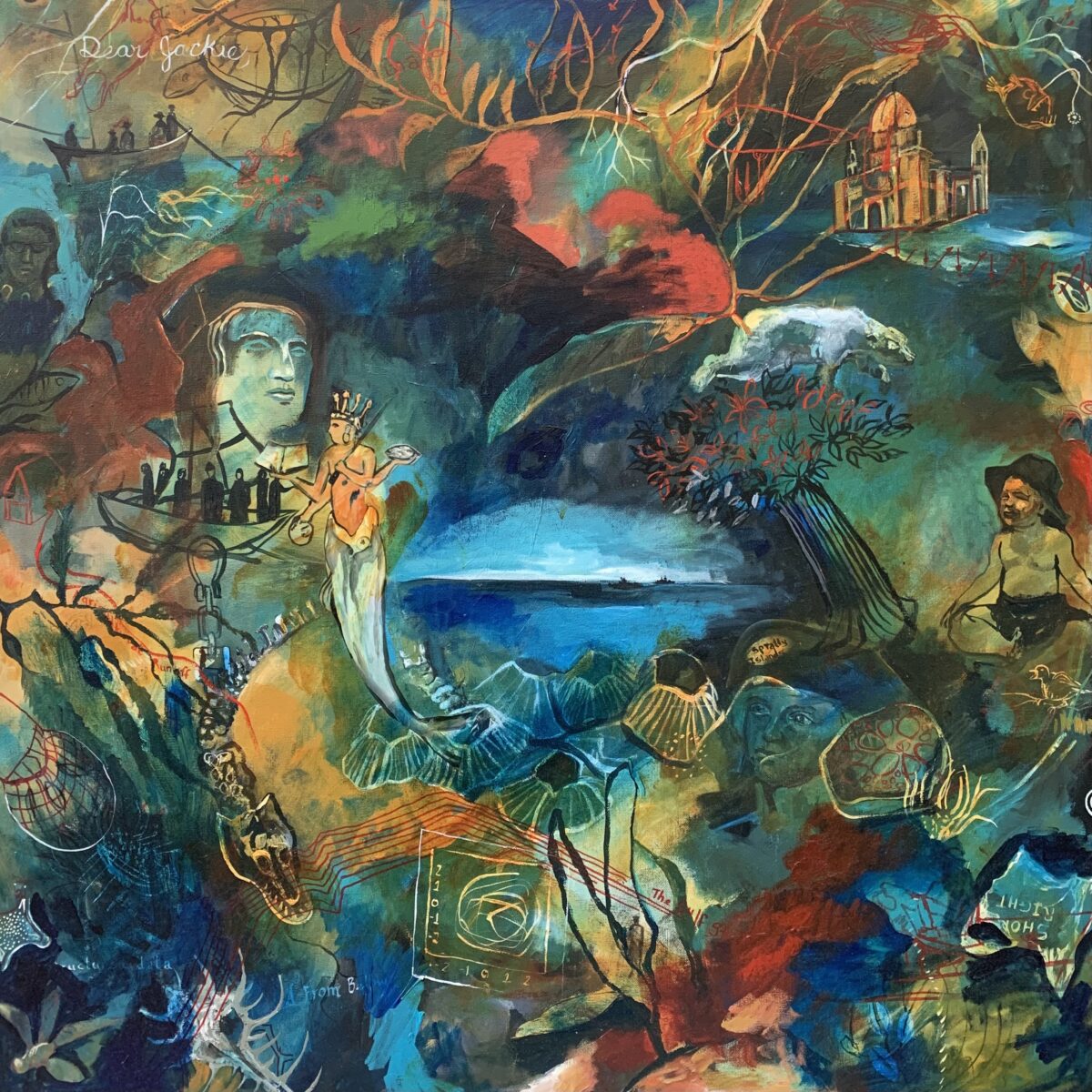
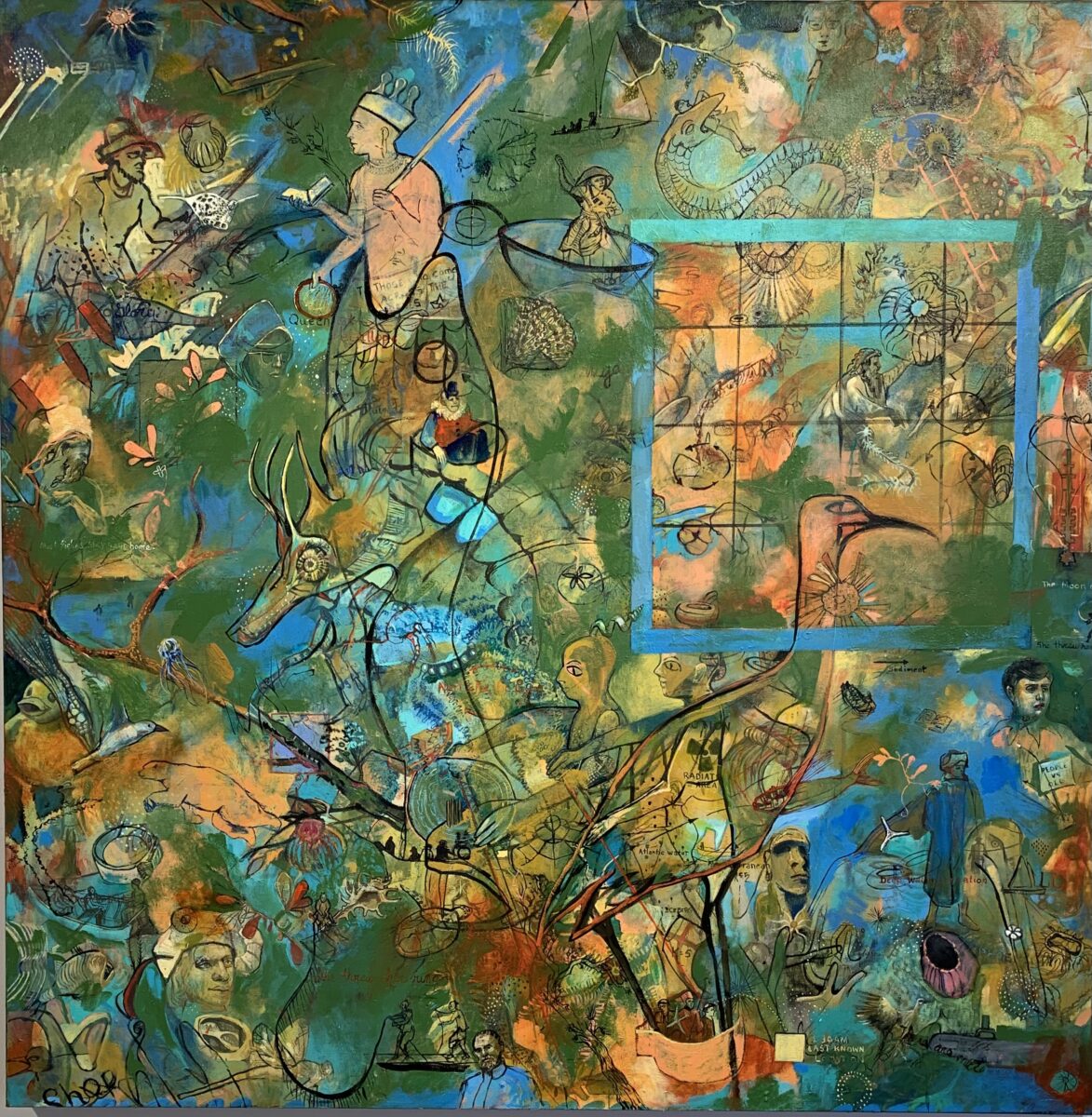
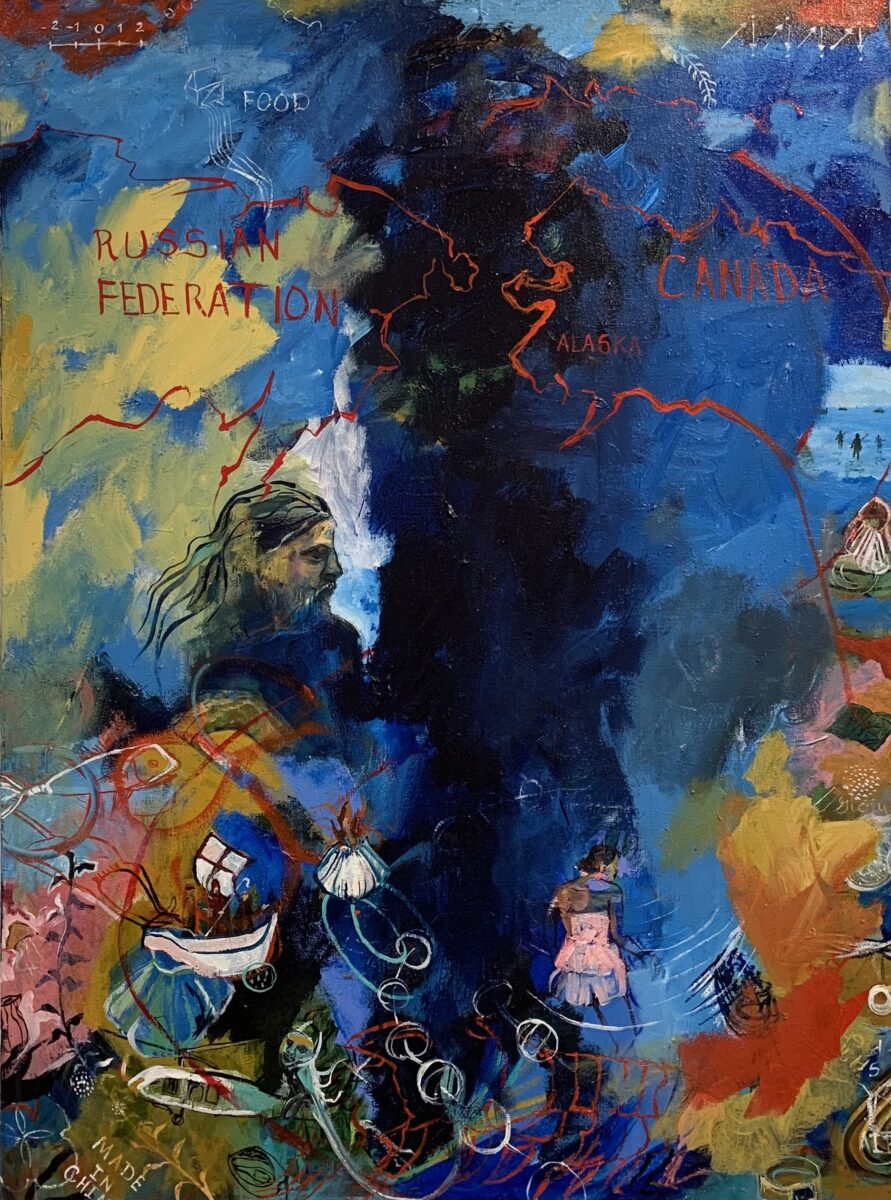
Hart: Your paintings from the series Vastly Empty and Infinitely Full are visually very dense. Why do they look that way?
Capps: The subject of these pieces is the ocean, which I chose partly because it’s important in so many ways: political, economic, recreational, mythological, environmental, and of course personal. Subject aside, though, at its heart this work is about the idea of complexity—about how, if you want to truly understand a subject, you have to follow all avenues leading out from it, and all avenues leading out from those, and so on. The density of the work derives from this notion. And the logical conclusion of this approach is that everything is interconnected, an idea that’s awe-inspiring but also a bit scary.
This is also why I use what I call a process approach to this work. The process approach is basically artistic improv. You don’t plan the piece out ahead of time with sketches; you just begin to draw and then respond to what you’ve drawn. You try to balance the piece as you go, and sometimes this means erasing or painting over particular elements or areas. The piece will come in and out of balance, and each time it does you ask yourself, is it done now? I usually pronounce my pieces finished multiple times. If I haven’t actually sold a piece, it’s probably still in flux!
What I go through to make the work and what I hope the viewer experiences are quite different. I hope the viewer feels the churning power of the ocean, experiences its complexity as a visible richness, and senses underlying narratives that may escape conscious understanding.
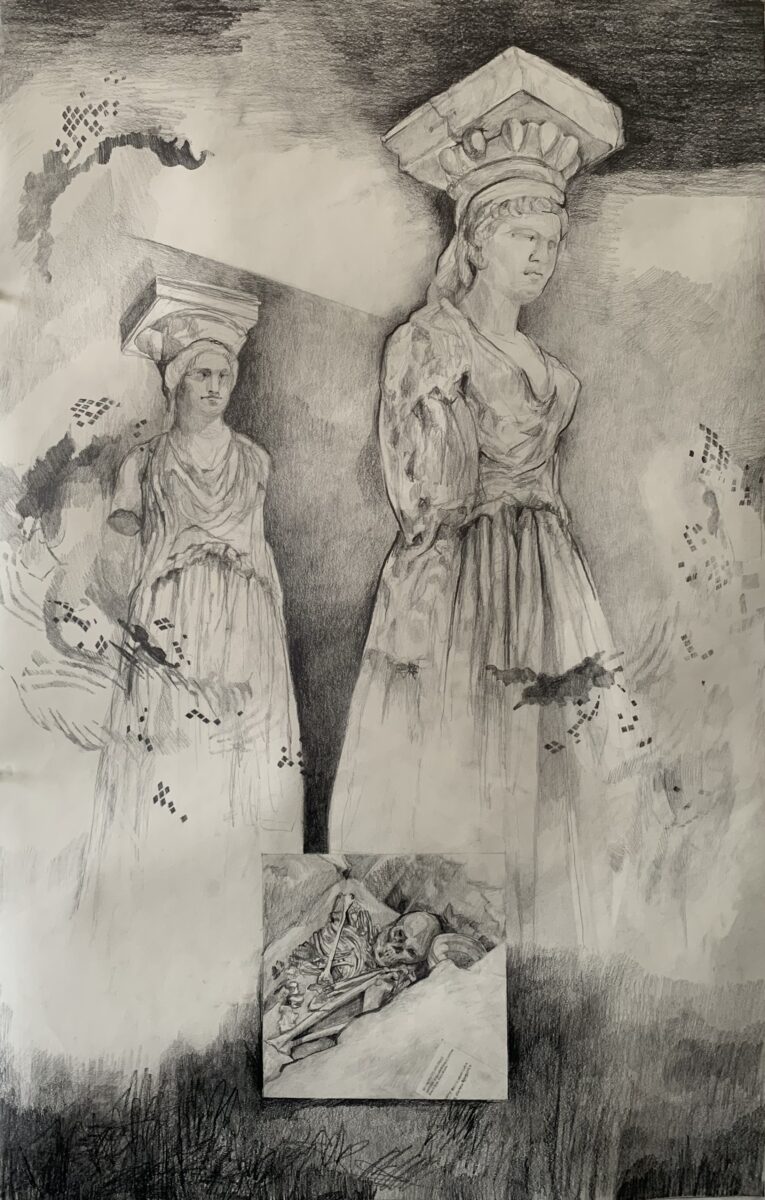
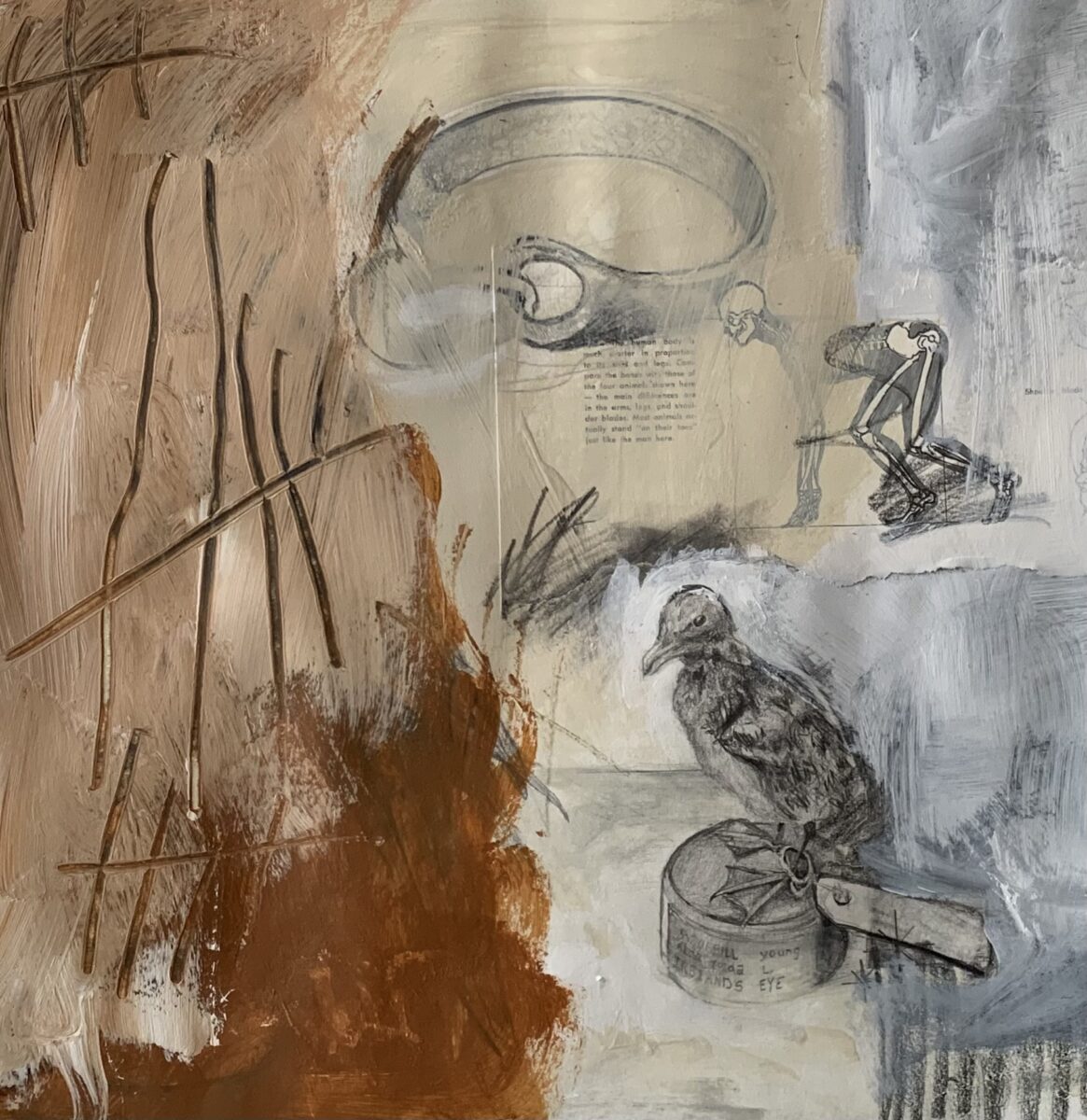
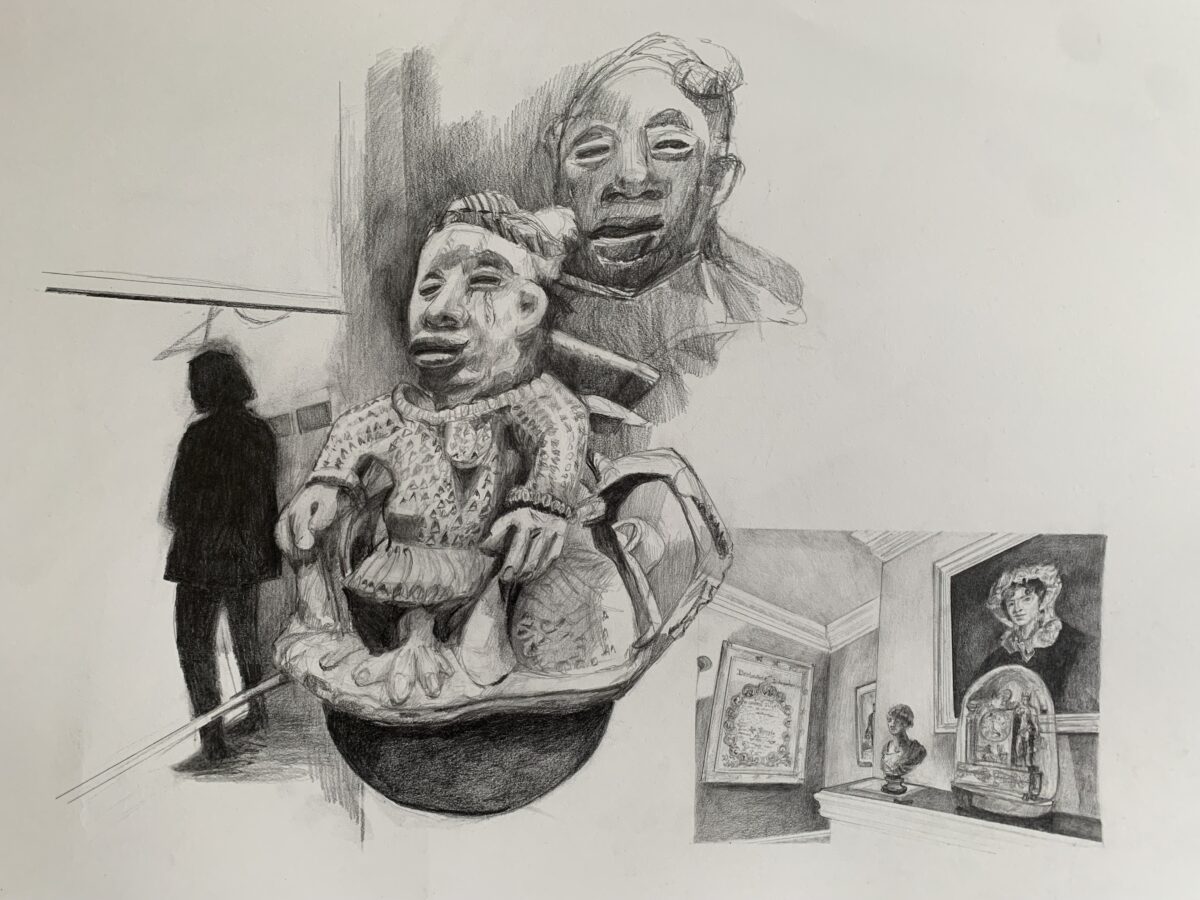
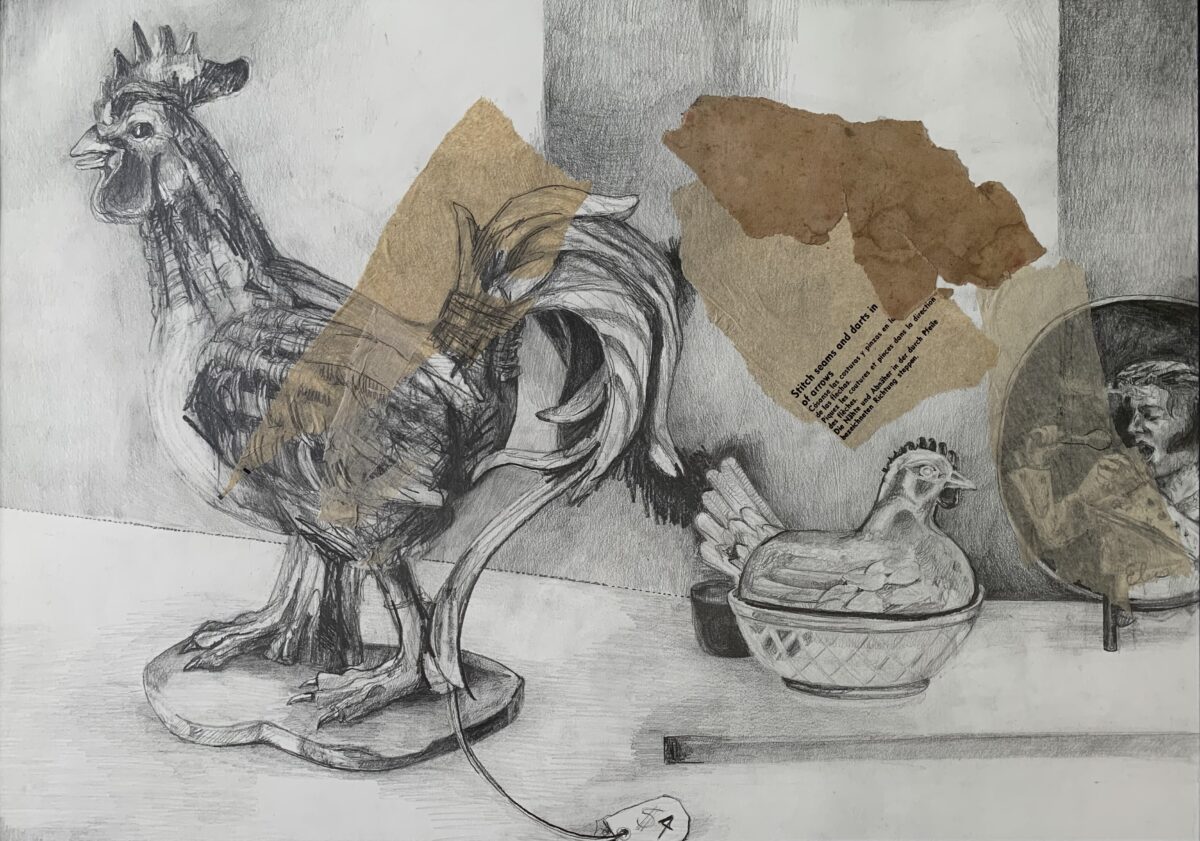
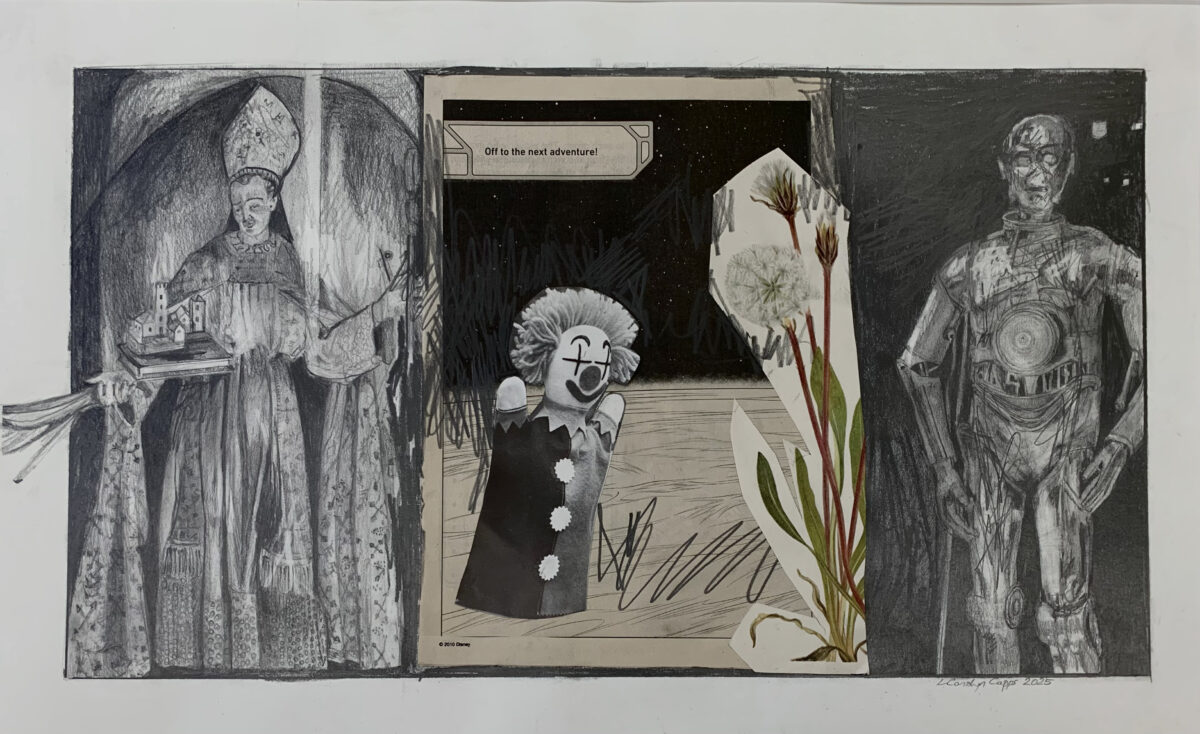
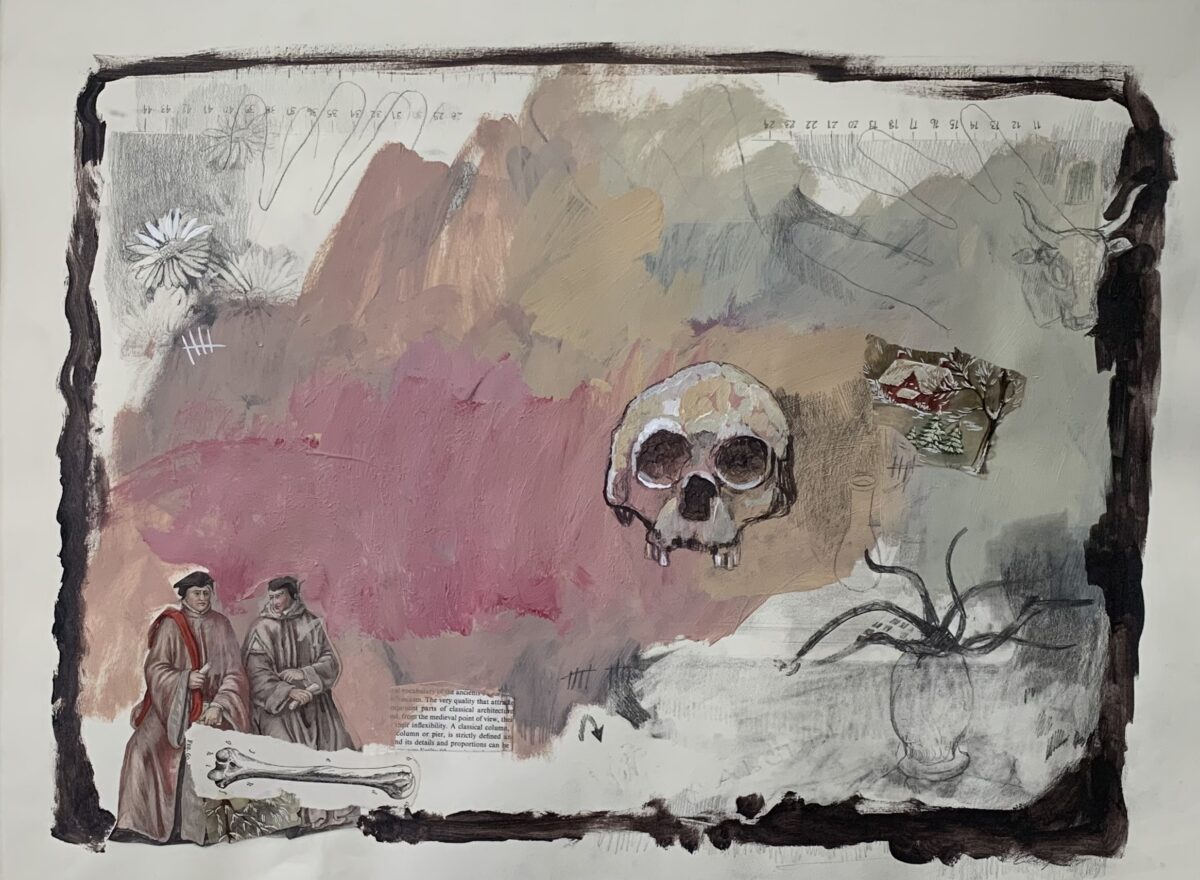
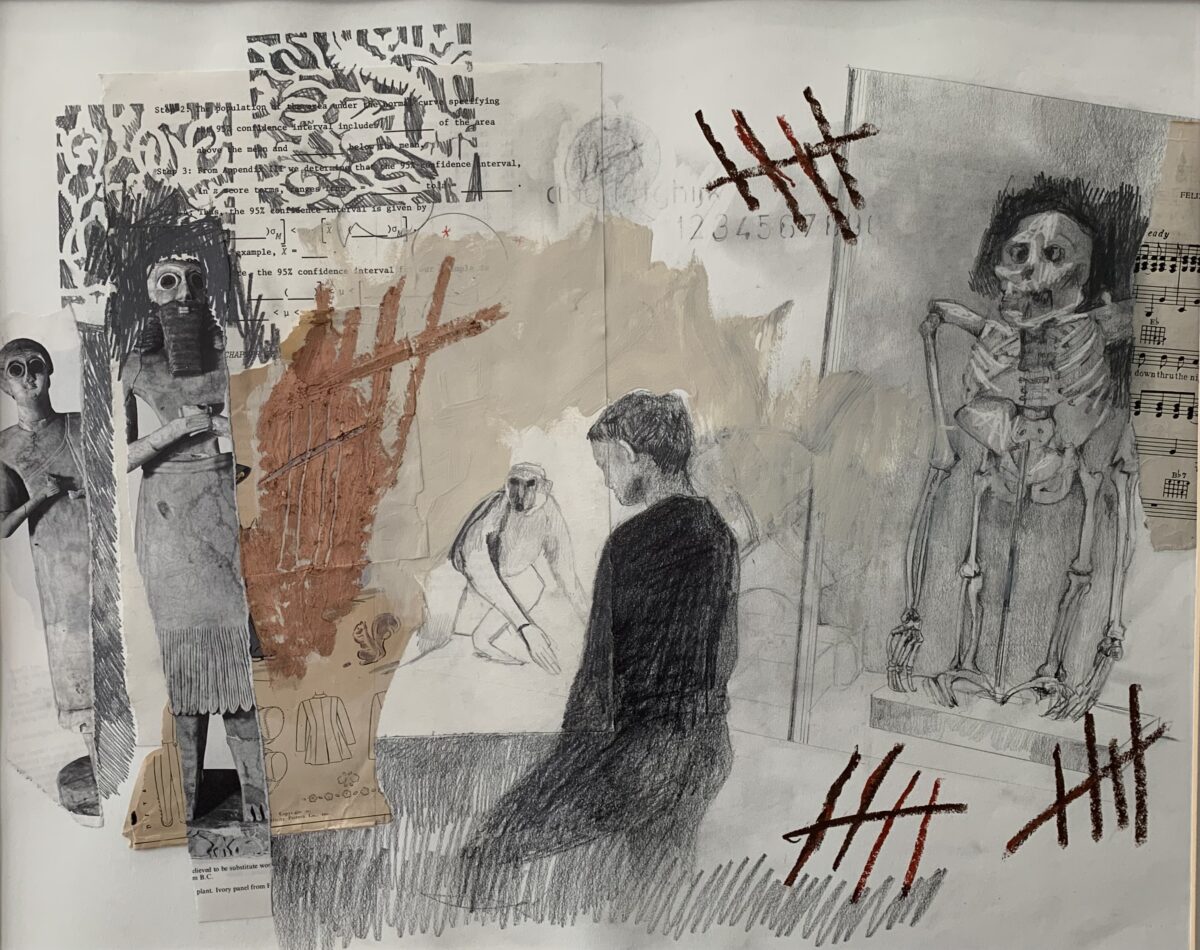
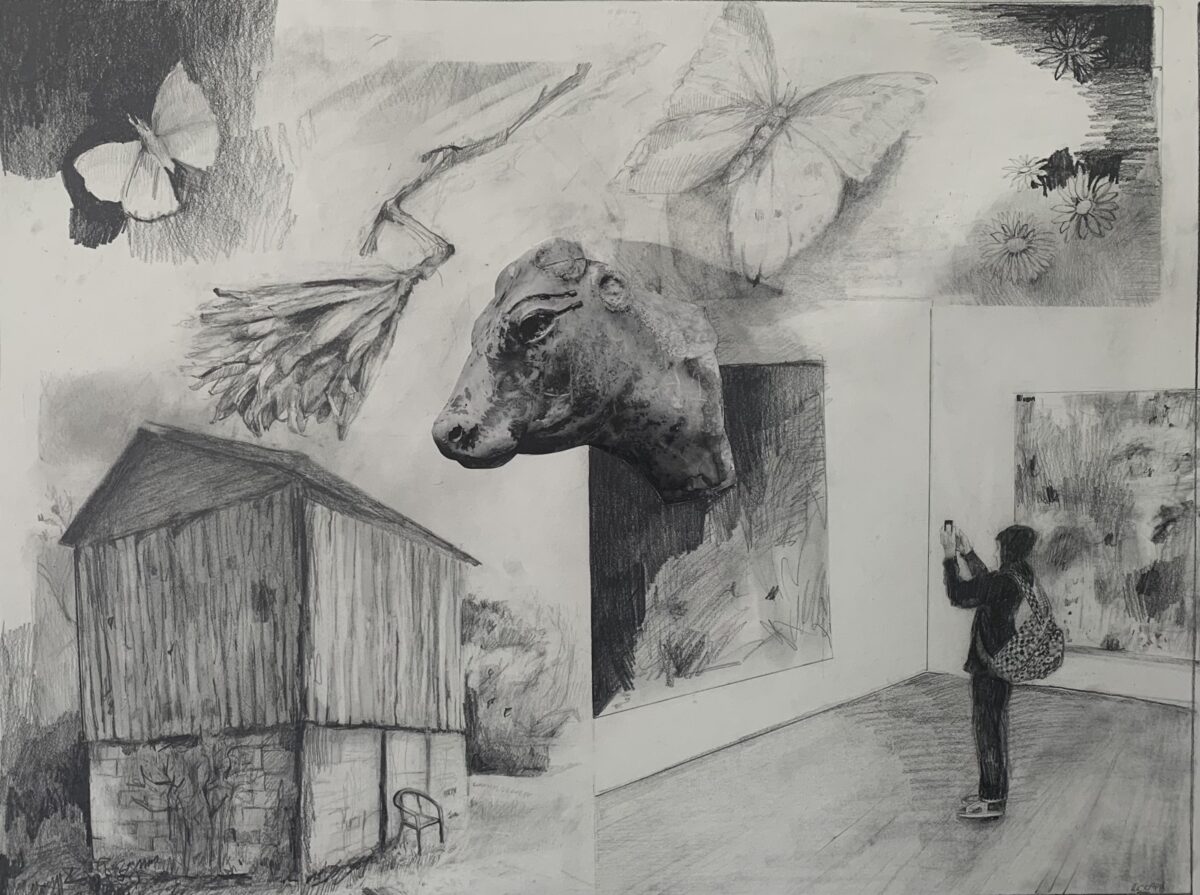
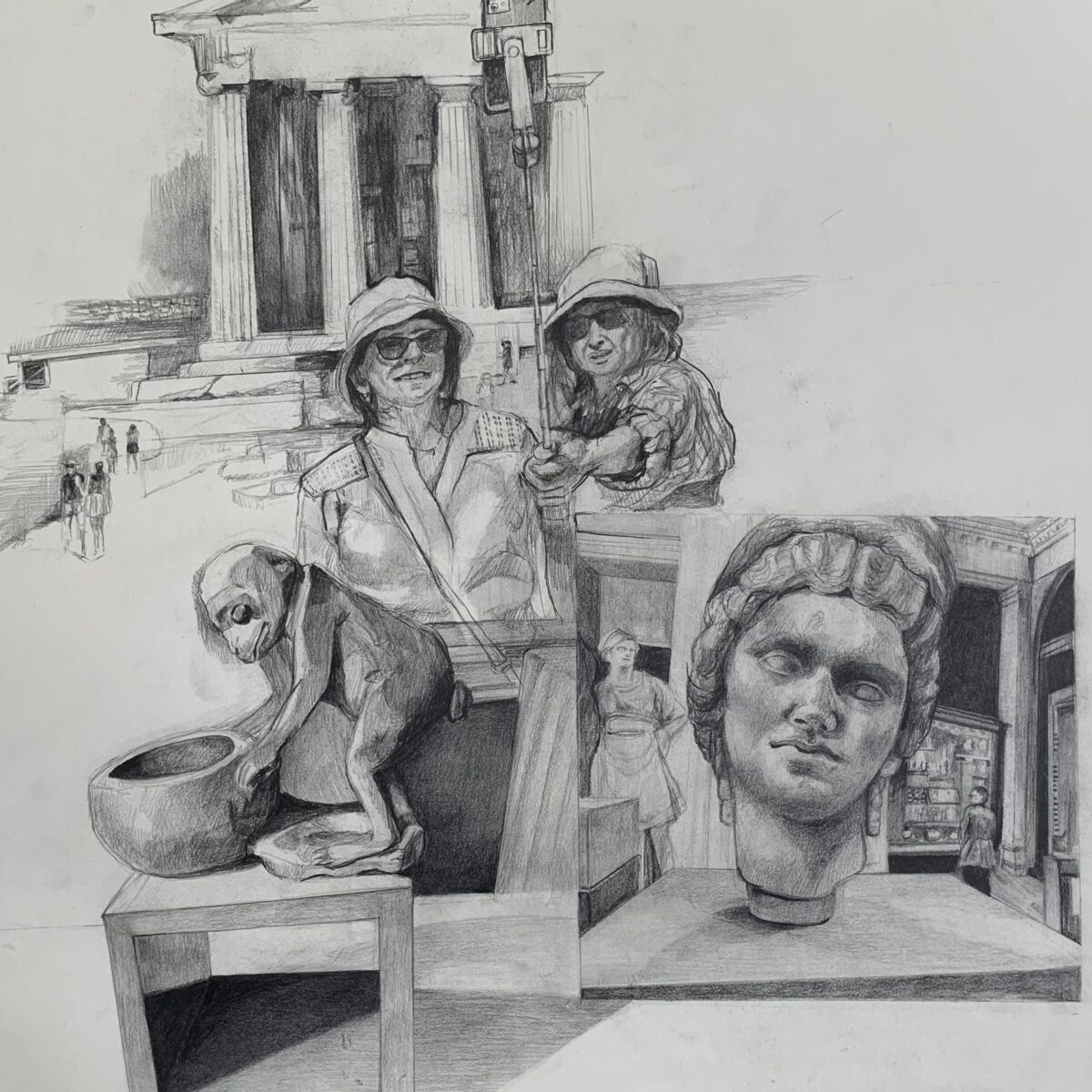
Hart: The drawings in To Have and to Hold show scenes and objects from museums, or personal objects such as souvenirs or keepsakes. Though these pieces aren’t as visually dense as other bodies of your work, they do combine scenes or objects that often don’t seem to belong together. What are you trying to say with this series?
Capps: This work explores people’s relationships to things, particularly those things we consider culturally or personally significant. I found some of the items in the drawings at museums; others are objects I’ve collected. The series speaks not only to the inherent value of an object but also to our personal and shared values as represented by objects we revere.
The work explores how objects that are remote from us in both time and place, across cultures, have the power to make us feel connected to a broad swath of humanity. This is true even when such objects remind us of historically complex, even fraught relationships. I’m often putting images together the way a poet might choose words, for the feelings they produce as much as the ideas they impart.
Hart: Have you been successful in selling your work? Does selling work matter to you?
Capps: I generally have no difficulties motivating myself to make art, but I have more trouble getting myself to market my work. I don’t sell a great deal of art. When I do, I usually sell to collectors or other artists. I never doubt that people want or even crave aesthetic experiences, but they don’t necessarily feel that they should spend money on them.
I’m so grateful to collectors who purchase my work. Nobody is buying my work to flip it; they’re buying it because they love it. They usually buy more than one piece, and they collect art from many artists. If there are people out there considering collecting I would say take the leap. The collector is essentially creating art with the ready-made art of others. The collectors I know regard art not as a luxury but as an ongoing experience that they share with their families and friends.
Hart: What effect has being a part of the McGuffey Art Center community had on your work?
Capps: McGuffey is where I create, where I teach, and where most of my social life occurs. It’s hard to overstate how important it is to me personally. I’m so grateful to the City of Charlottesville for supporting us and providing a space for the community to engage with the arts. It’s incredibly motivating to be surrounded by artists engaged in all sorts of art activities, from the visual arts to dance, creative writing, music, and acting.
Most of the activities at McGuffey are designed for the public; we’re a sort of indoor park for the city. These events are fun and bring a vibrancy to the center. But behind the scenes artists of all kinds are collaborating and learning from one another. As part of my involvement with McGuffey I run two clubs: the drawing club, which encourages collaborative art-making among its members, and the McGuffey/WriterHouse book club, a joint endeavor in which we read and discuss art-themed books, mostly novels.
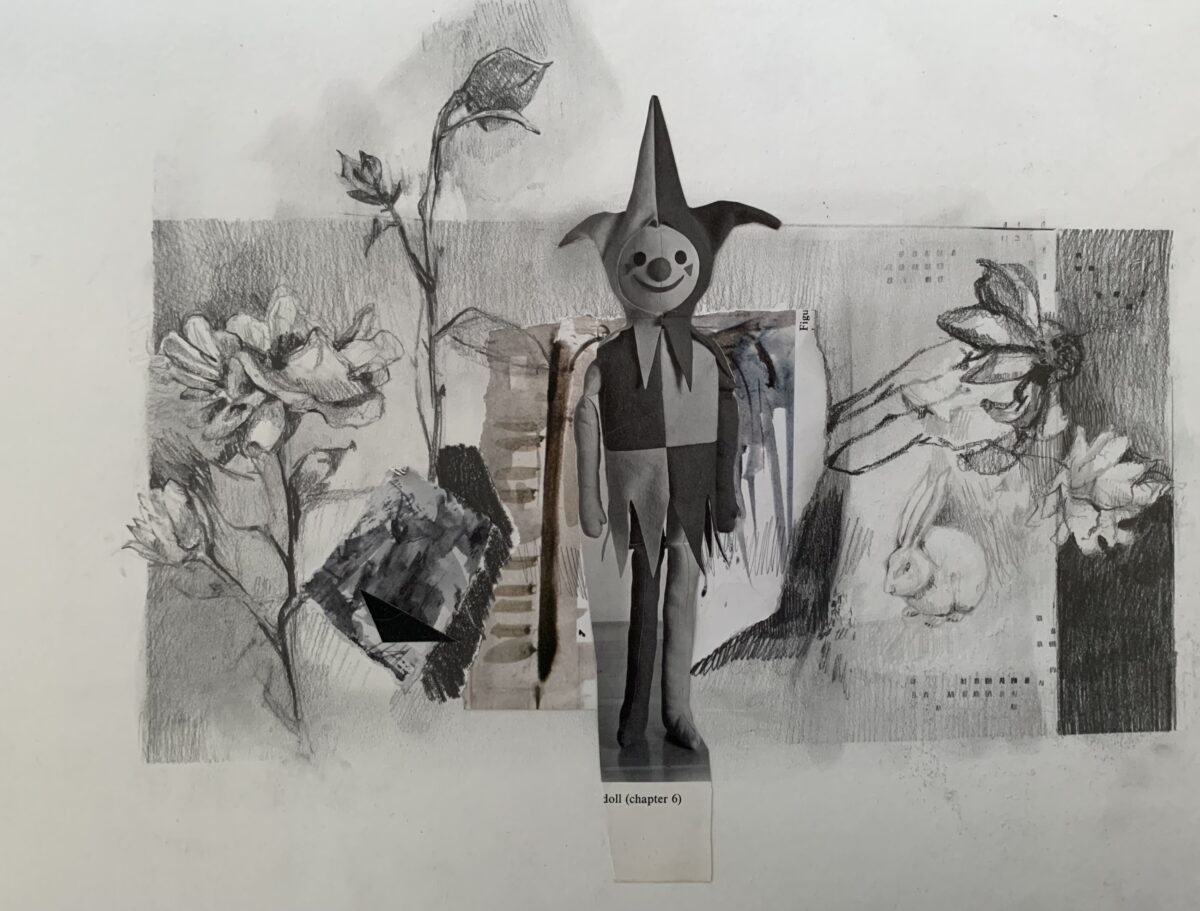
McGuffey creates opportunities for people to engage deeply with one another. Just some offhand comment made in the right context can have a big impact on an artist. A member of our book club once told me she doesn’t enjoy any book that doesn’t incorporate at least some humor. That led me to introduce bits of visual humor into my To Have and To Hold work. It’s so interesting to me that this doesn’t just offer comic relief; it also gives depth to the more serious aspects of the work.





Share this post with your friends.

