
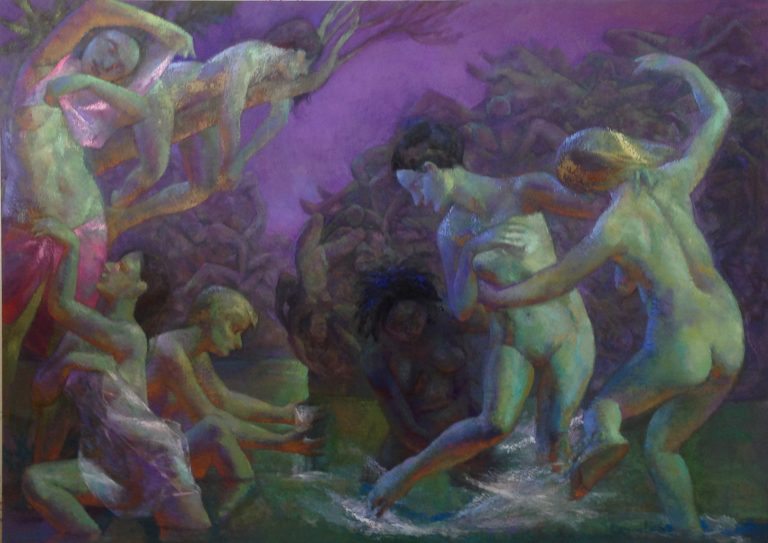
Lincoln Perry launched Magna Cum Laude from Columbia University’s Department of Art in 1971. Not essentially recognizable to those of us who now know his work, he was painting abstractly at the time, digesting such influences as Mondrian and Klee. Exploring the geometry of color; the relationships and influences of one hue upon another and observing the small important skirmishes that occurred along their fashionably flat margins. Those were all early fascinations of the period for him, that would ultimately leave their subtle mark.
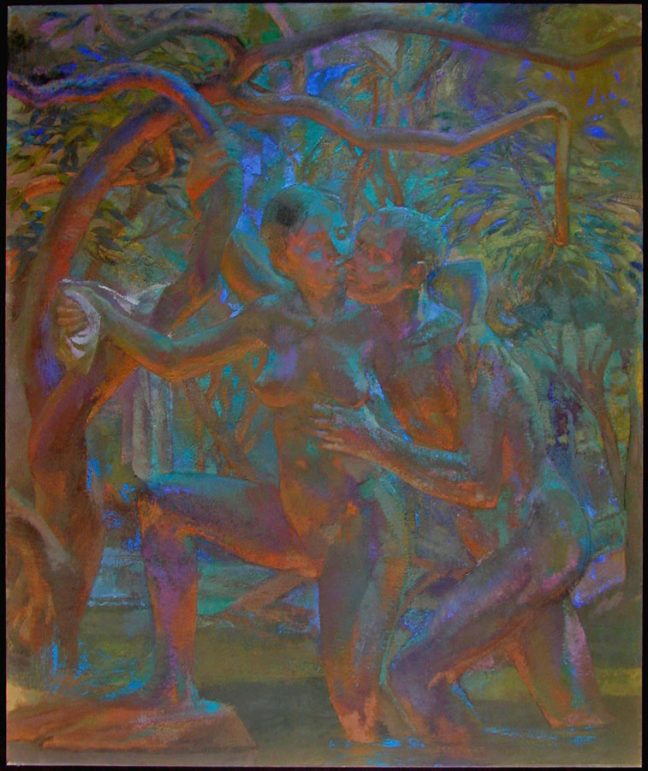
The following year Perry joined a commune of fellow artists in New York City. It was a period of social experimentation, fairly au courant in those free-minded times of the ‘70’s, and one that ultimately led Perry to realize how he wanted to channel his focus away from the limiting cult-like mindset of the commune towards taking his individual creative voice more seriously and purposefully.
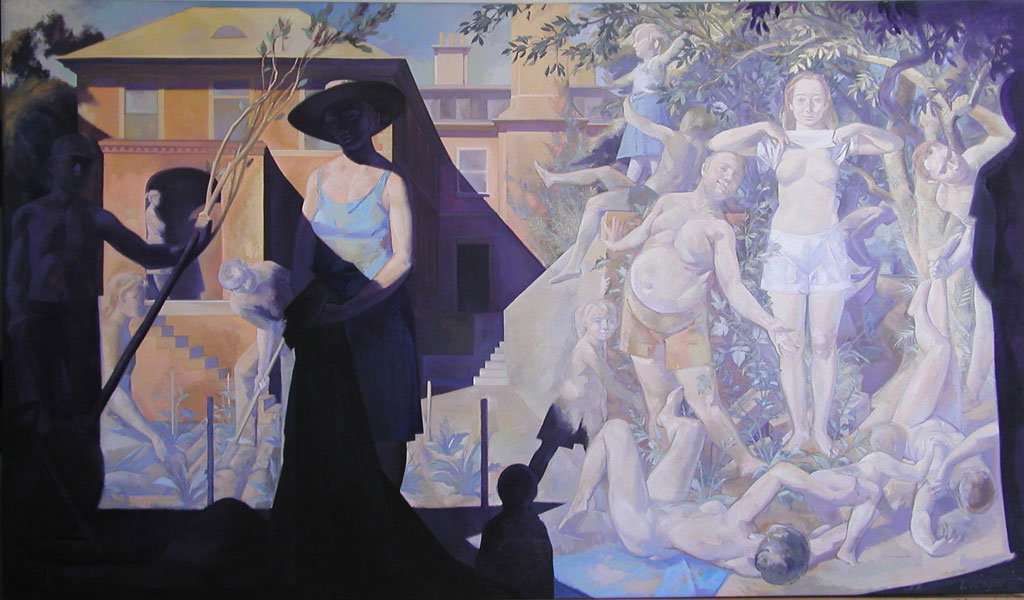
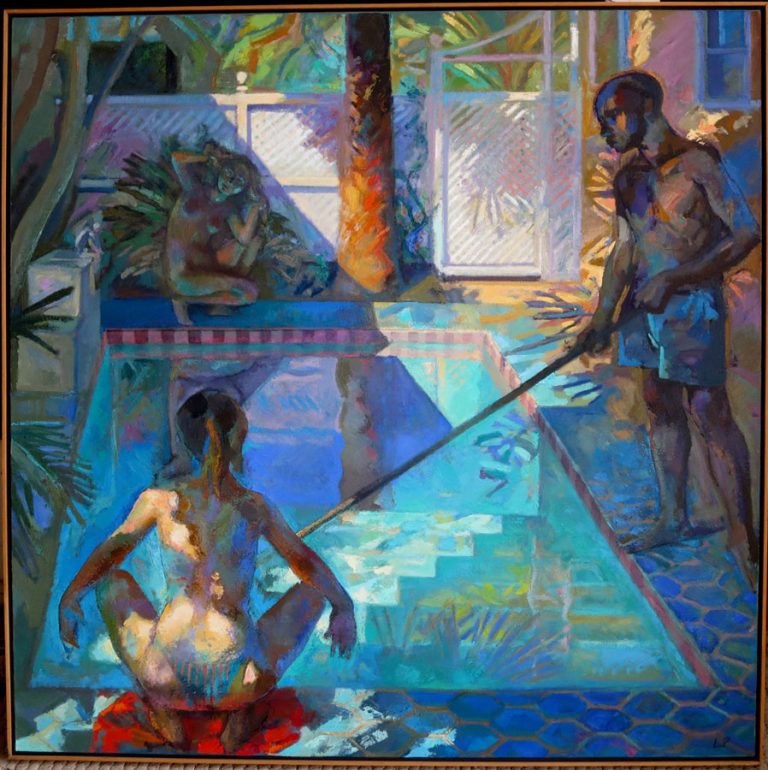
During this period, Perry entered Queens College CUNY and his painting style began to evolve from abstraction to assume a figurative direction, casting about for “proof of the better aspects of humans” as he would explain in our recent interview in his home studio in Staunton, Va.
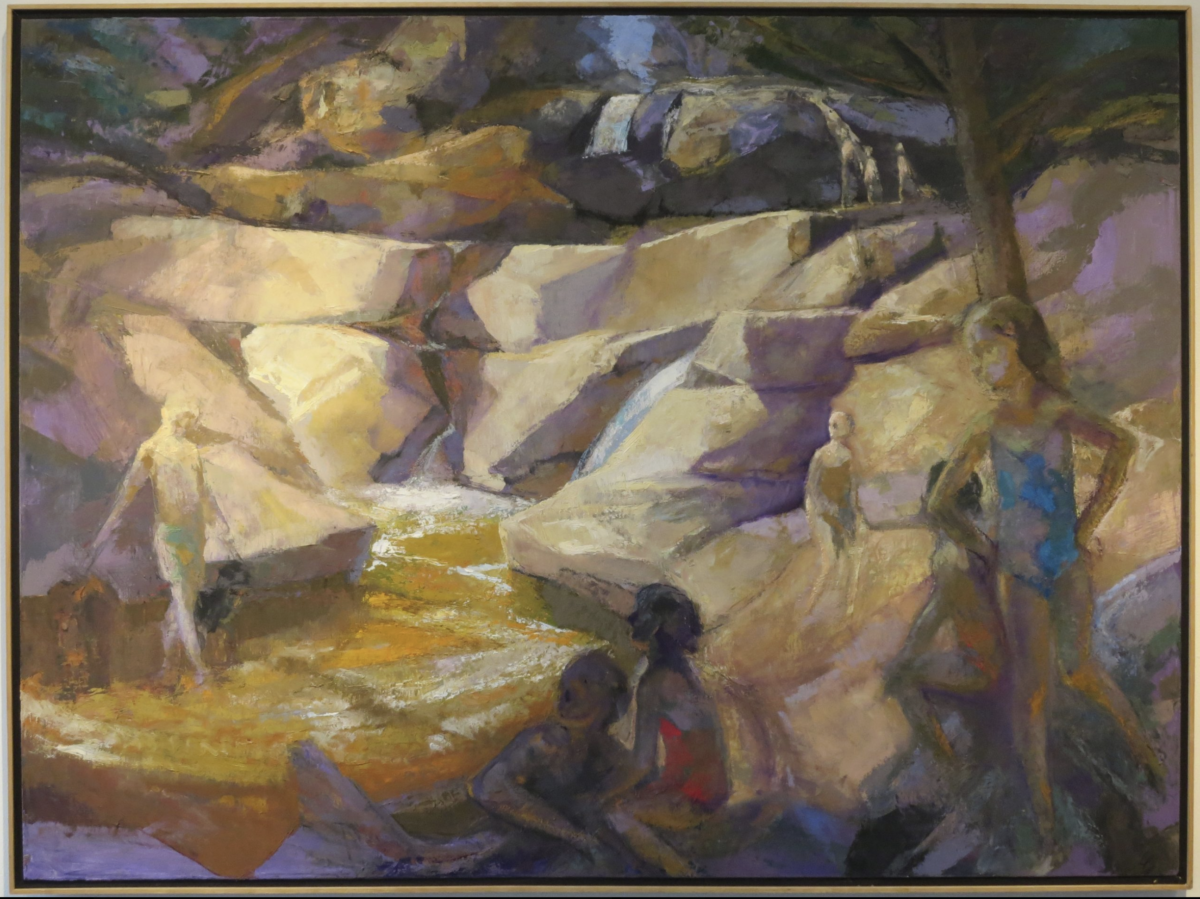
By 1975 Perry had completed his MFA from Queens. Figures now inhabiting meaningful environments began to engage Perry. His professor, Gabriel Laderman, had been a significant inspiration for him there. Considered an inventive leader in the New Realism movement, Laderman was abandoning the liberties of Abstract Expressionism for imagery that circled homeward, integrating the discoveries of early modernism with new ways to paint from life, dubbed post-abstract figuration. Laderman gave Perry a sense of the isolating fortitude art making required of artists in order to find their own way through the interfering and imposing popular trends of the “art world”.
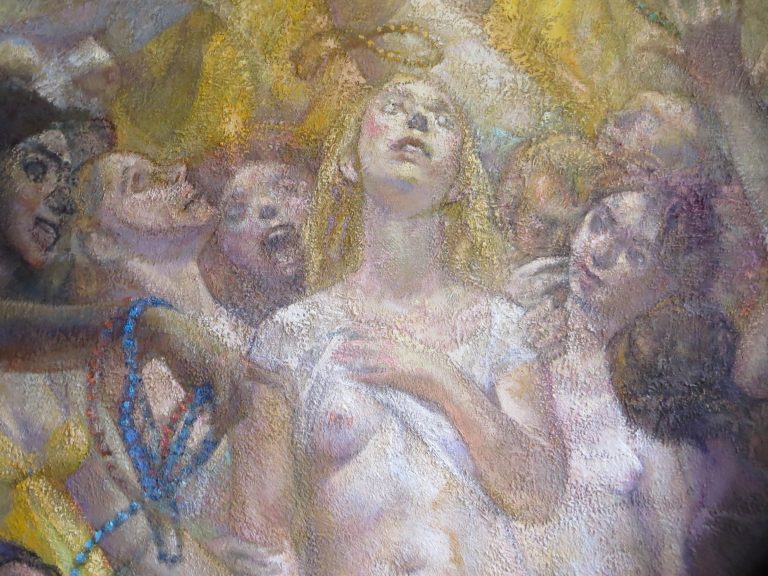
Contemplating the work of Balthus then too, offered Perry a threshold into the natural treatment of the figure that one perceives today in his painting. The fluid unselfconscious manner in a Balthus figure relaxed in a seat, or in sensual recline, erotic, comfortable in each subject’s own skin, often in a dimly raking light added fullness and drama, and life.
But Balthus was happening in browns and ochres, as was Morandi (but for that favored blue of his), another artist Perry expresses interest in for the lush poetics of that artist’s arrangements, the curated placement of the tight communities of nestled objects in them, form pressing against form, yet admitting individuation. The color enriched flavor that Klee had once exerted on Perry’s thinking was waiting in the wings to reenter the soup.
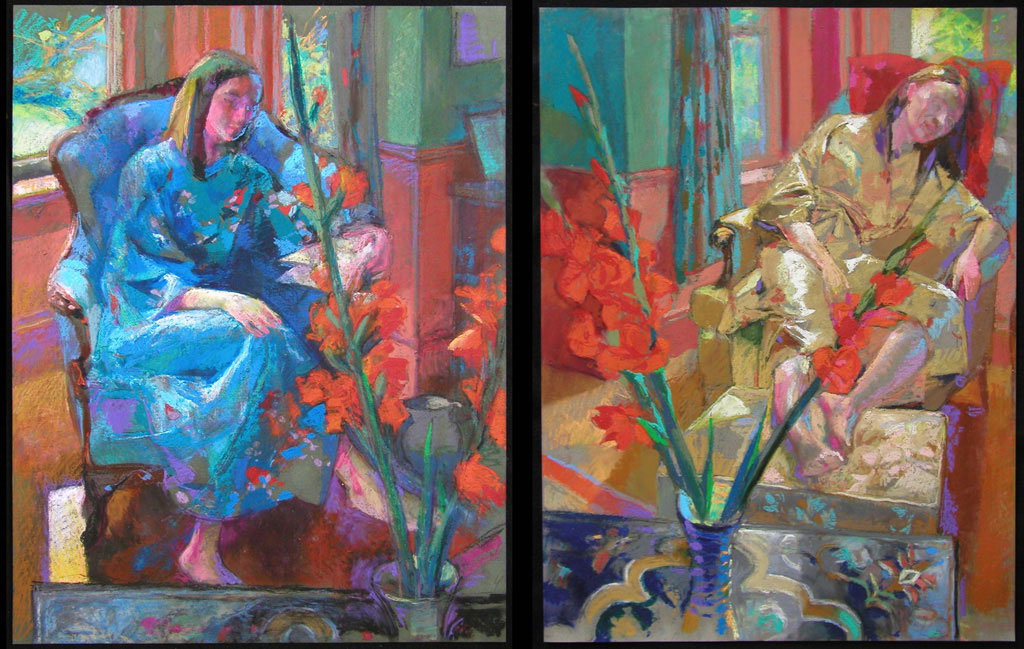
Then came Bonnard as an important influence. An artist who reportedly stated that drawing is emotional, while color is intellectual. It’s that softened, somewhat dreamlike illuminated “intellectual” color of a Bonnard, where color defends its territory in the gentlest manner, as it permits an inner light to pass through to head directly into the soul of the viewer. Perhaps that somewhat challenges the idea that color is emotional, while drawing is intellectual. However it works, Bonnard is seemingly one inspirational master possibly most recognizable when one looks at a Perry of today. Bonnard, the storyteller, the master of the not quite discernible face, that yet holds the character of the sitter. That, too, is a Lincoln Perry.
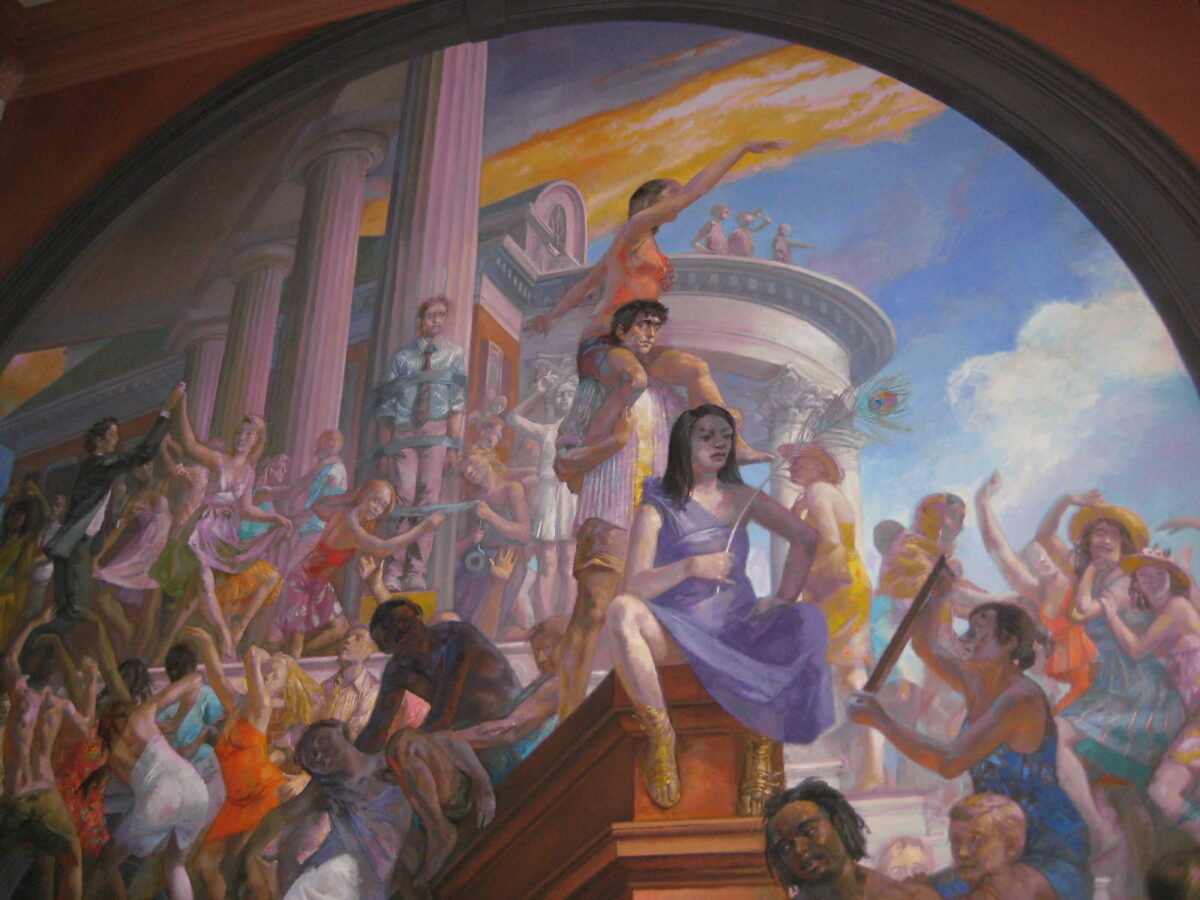
At the far end of The Lawn, in Old Cabell Hall—as everyone local, and everyone who recently attended UVA surely knows—there is a masterpiece of painting: “The Student’s Progress” by Lincoln Perry. A mural of epic proportions fills the grand Palladian hallways and stairwells telling the story of the disciplines of the arts and humanities at UVA. I went to revisit it before preparing to write this piece, as it is the one ever-available example of Lincoln Perry’s painting we can all stand before and relish.
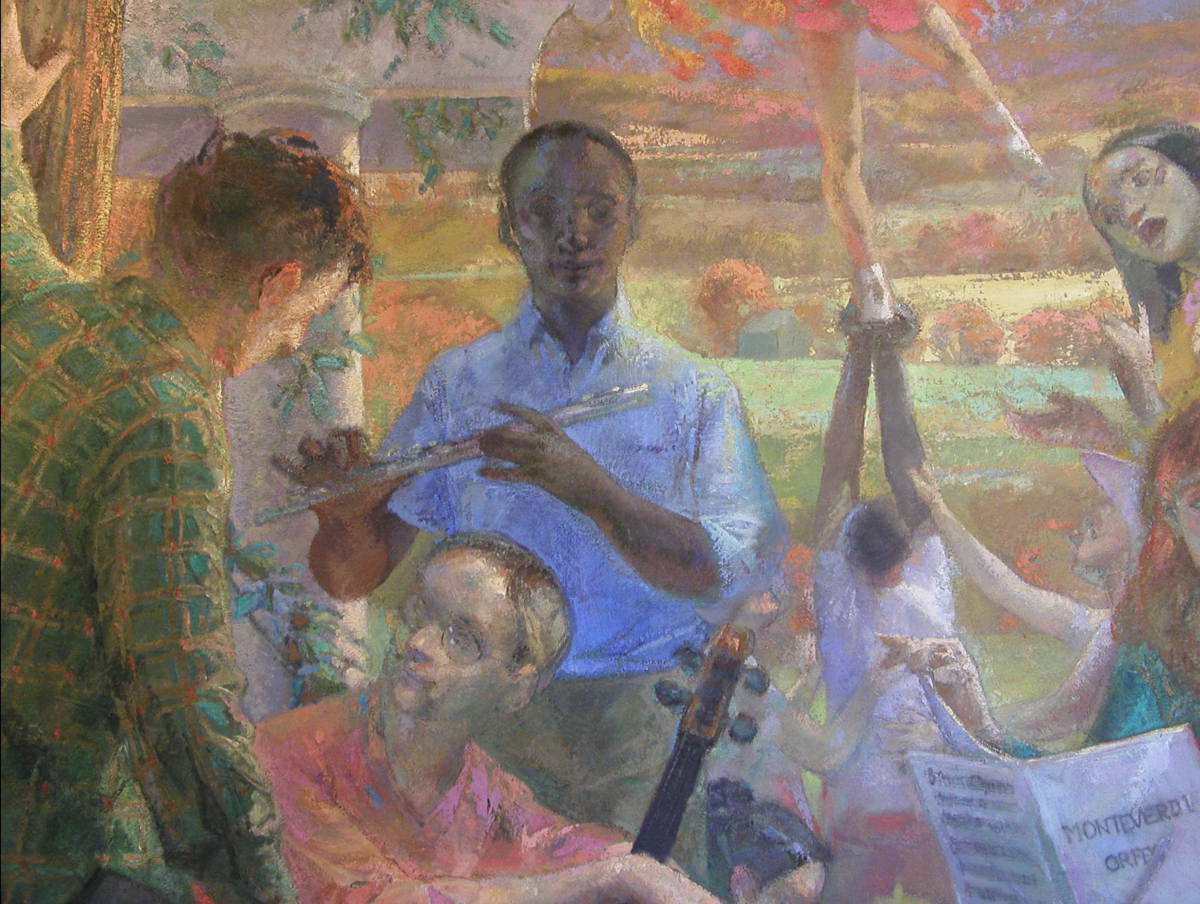
These light emanating, complexly populated scenes are brimmingly filled with radiant degrees of chroma as scenes move fluidly through the jostle of representative young people in their roles. Perry’s highly activated foregrounds lead the viewer up farther stairs to second floor landings and lofty balconies peopled with professors and their students, offering an experience that serves to lighten and elevate any viewer who can spend some time joining them.
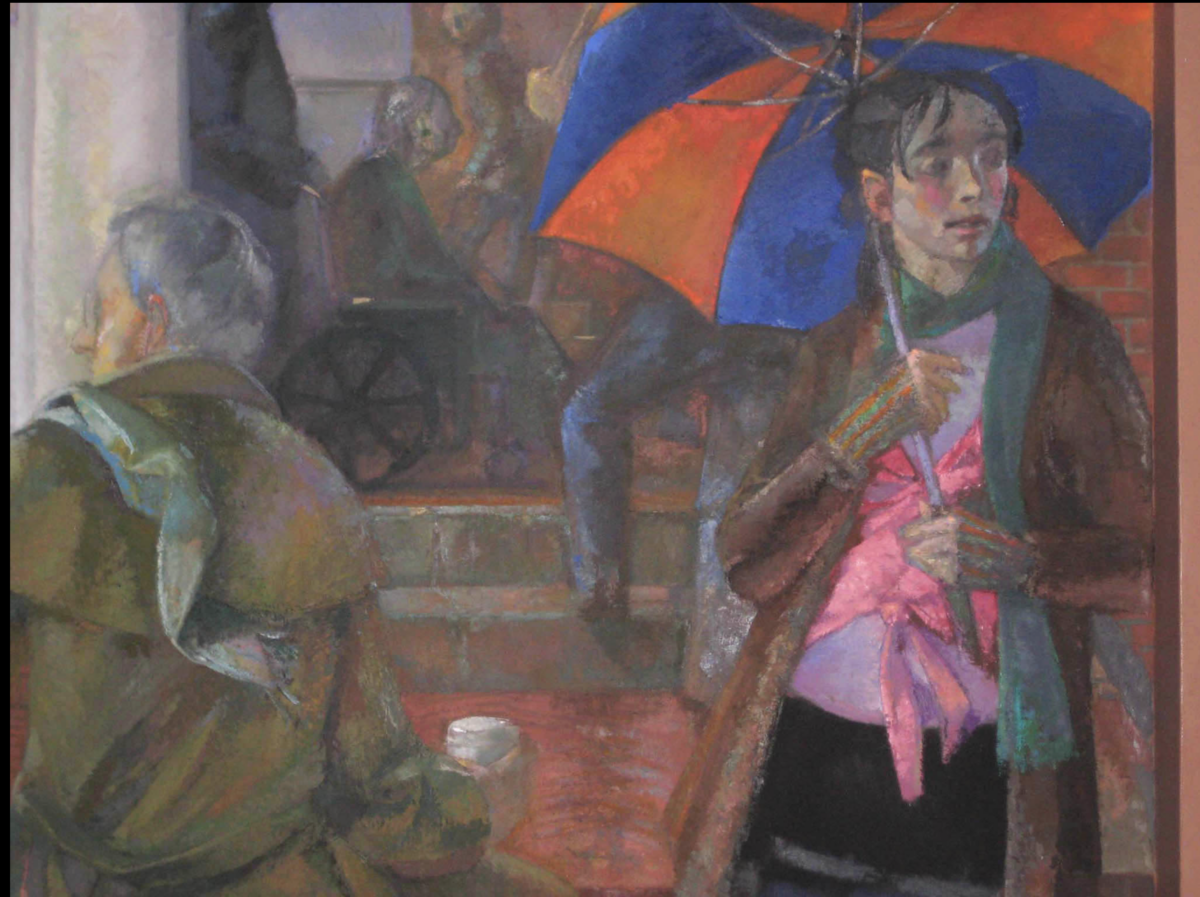
The scenes are thoughtfully composed to allow the energy of each of those many, many figures to breathe, their individual life force emanating in the glow Perry has enabled in paint. And, perhaps having something lingering from Morandi, the figures cluster together in the beautifully composed and balanced enduring story Perry expresses in these murals.
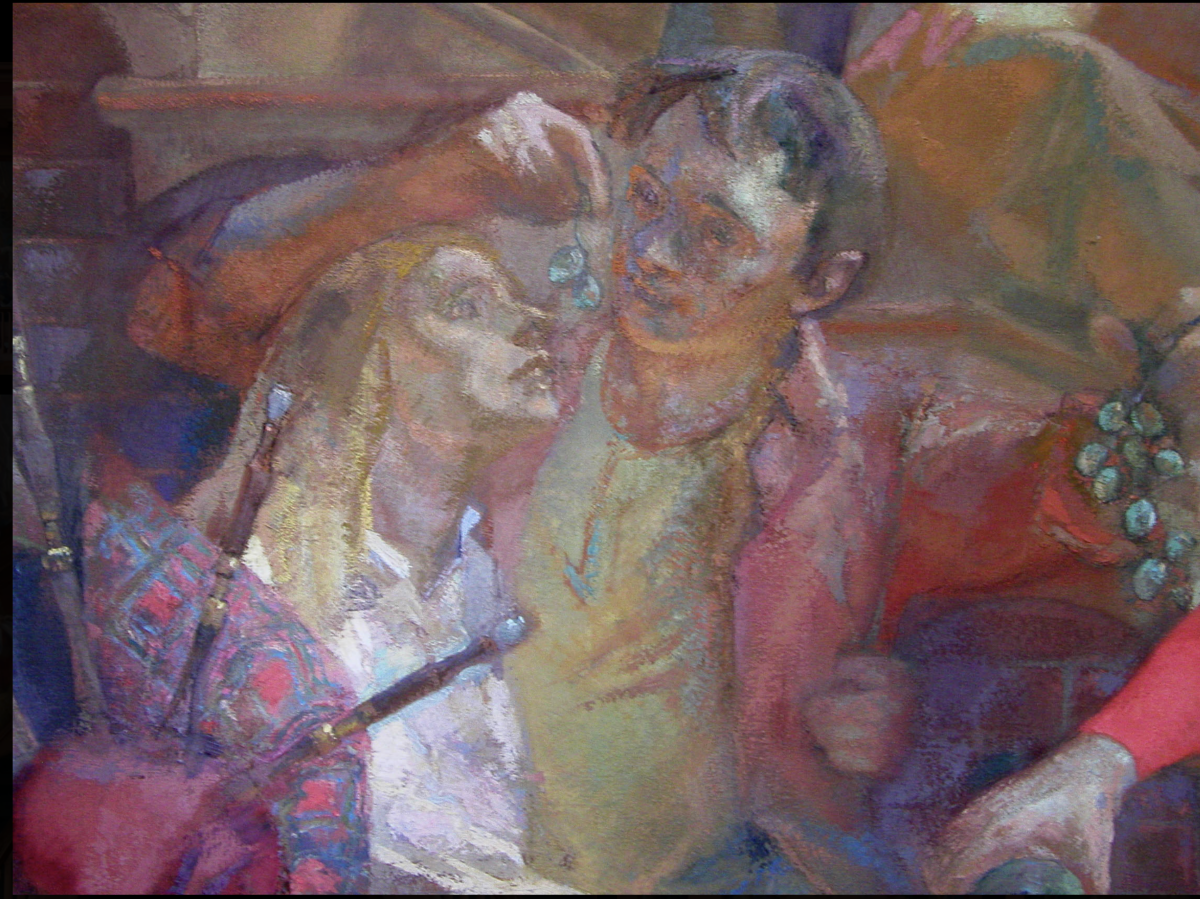
They are portraits of a period of youth and solidarity, a kind of puppy time, where young people collect in the protective auspices of the famed classical academic architecture, gathered into their affinity groups, to learn and create together, bring to each other the sweet comforts of brother/sisterhood.
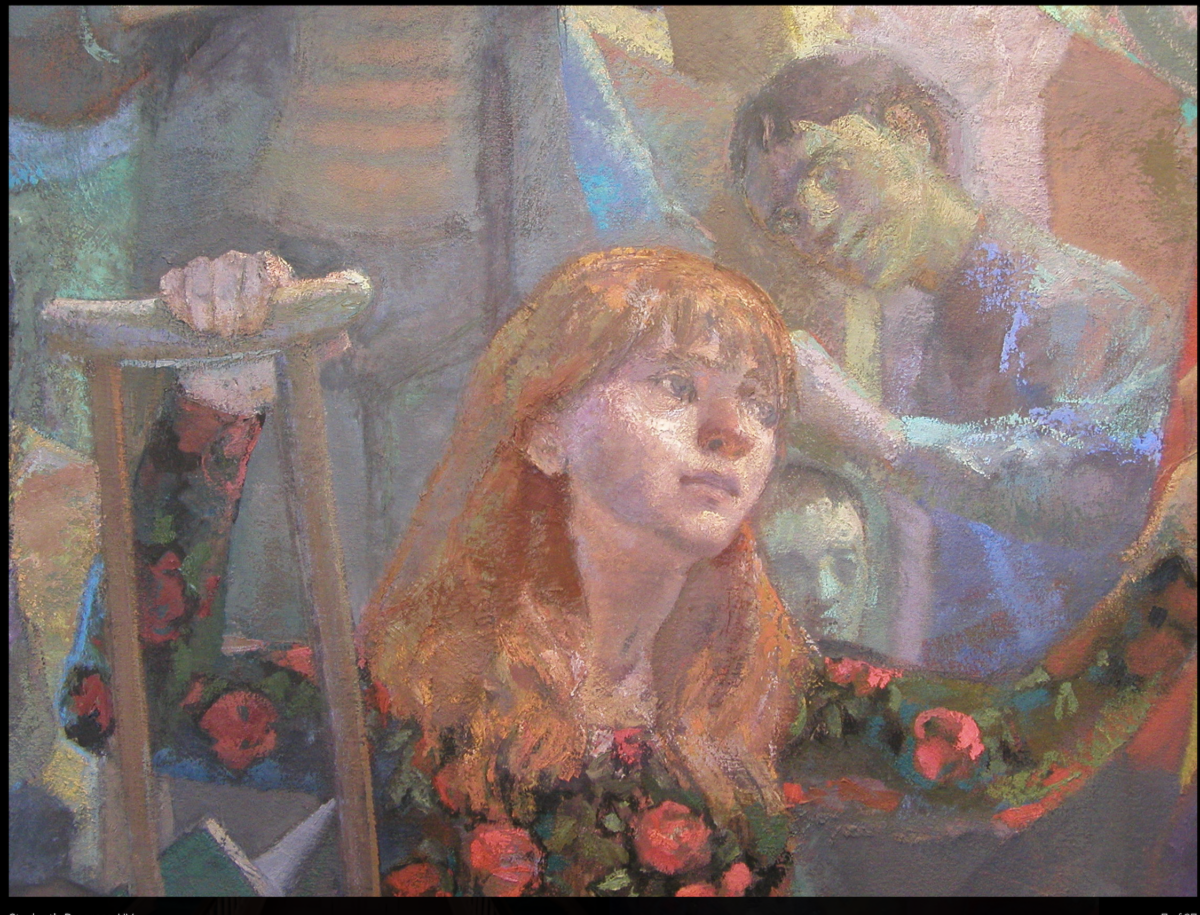
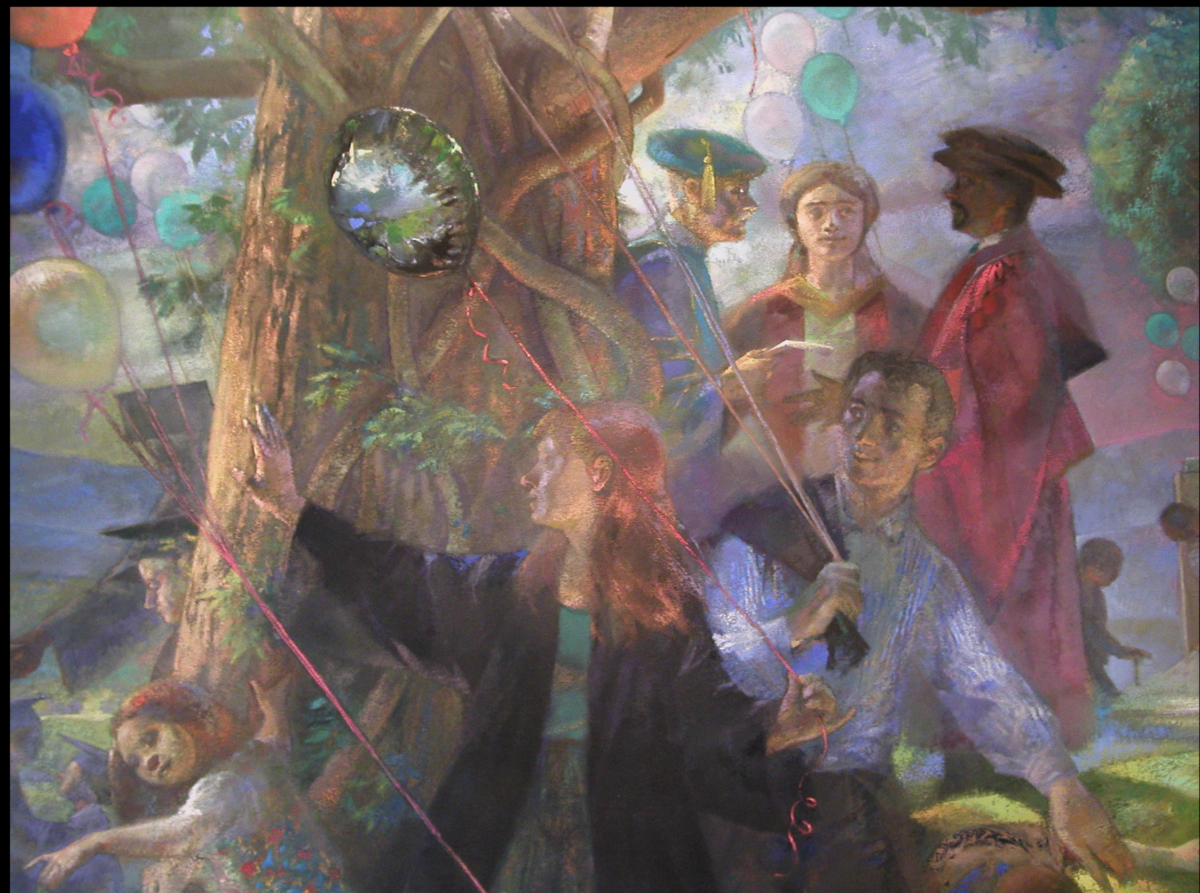
This is precisely the genuine love of humans being that resides in the narratives of Lincoln Perry’s art, and it is palpable and generous. Even when stories from some of his other bodies of work are darker and more menacing by some standards, they are fables of humanity in all its endeavors, longings, deeds and temptations.
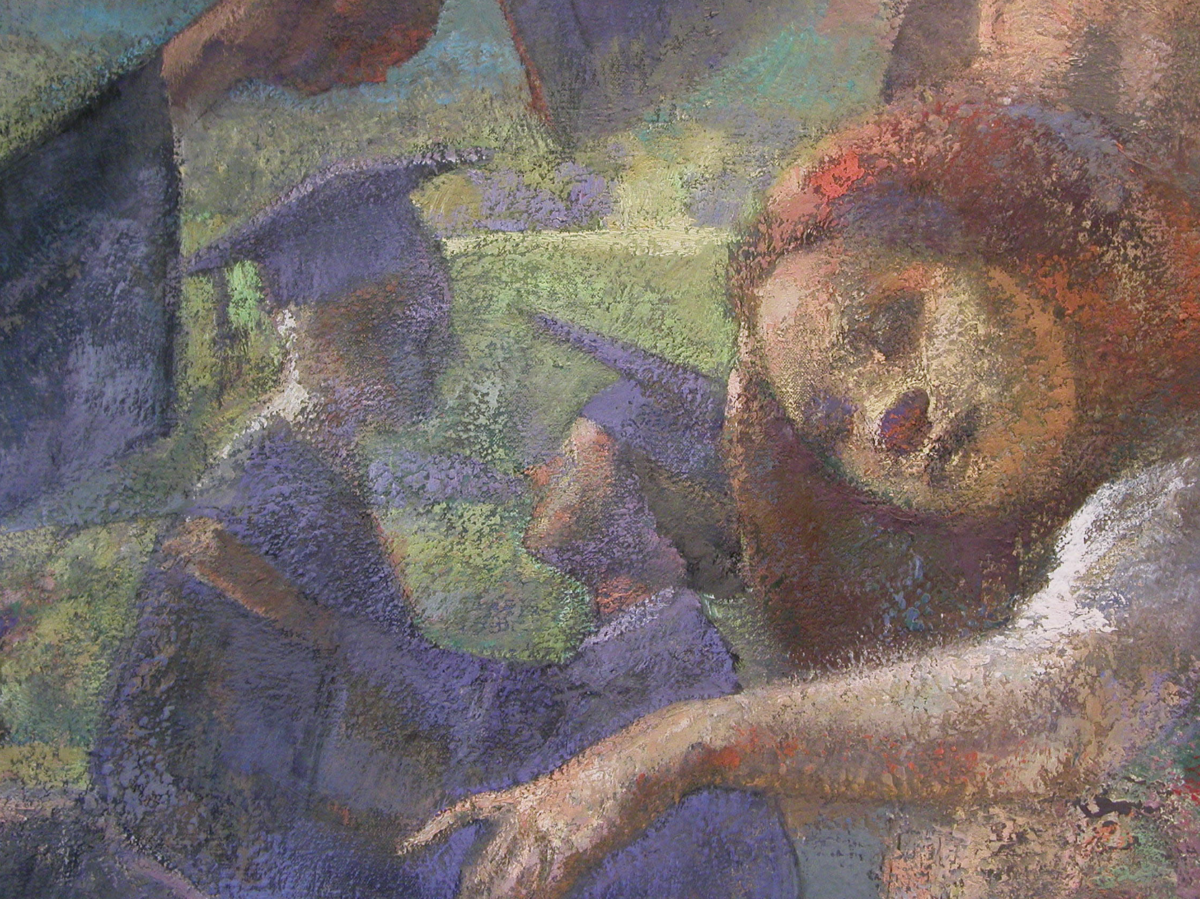
In the rendering of those countless incidents and mythologies Perry considers on canvas or paper, the artist offers each of his subjects their due respect, a glowing soul, a portioning of the long lineage of art history, and, very possibly, a nice arched doorway.
—Written by Deborah McLeod





Share this post with your friends.

