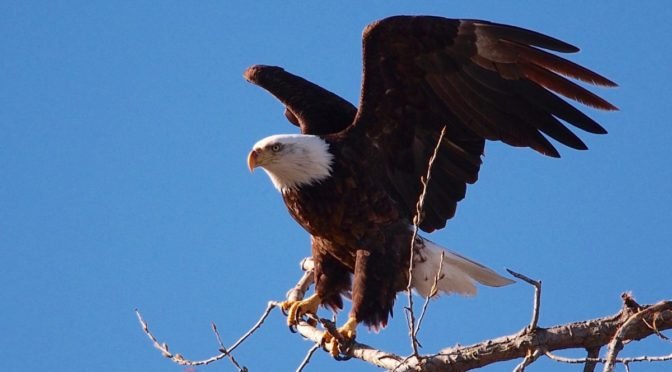
All along the coastline of Japan, hundreds of tall stone tablets stand as warnings about the possibility of natural disasters. Many date back to the 1880s, when two deadly tsunamis battered the coast and killed more than twenty thousand people. Carved with care, the ancient tablets convey messages from one generation to the next, advising those who read them to seek high ground after an earthquake, and to avoid low-lying areas in case of floods. One of the most well-known is called the Aneyoshi tablet, a four-foot slab of stone placed high up on the … Continue reading Tsunami Stones by Karen Mittelman→
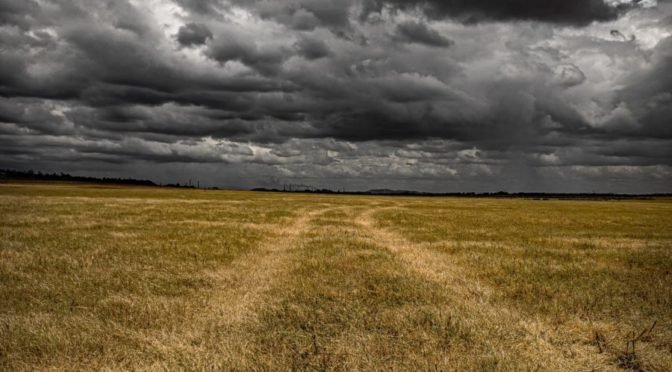
When the pandemic first shut down our world in the spring of 2020, my fifteen-year-old daughter and I were at home, every day, all day. I had been a sugarmaker for years, and the month of March and I were old friends. Well, maybe not friends, but certainly long-time acquaintances. I knew the fickleness of March, how this month can stretch into heaps of snow, or afternoons of blinding sun, or days-long, freezing drizzle. By the end of the pandemic, I sold the property where my family lived and sugared and bought a house in … Continue reading Succor by Brett Ann Stanciu→
Masterpieces are hard, manifestos, conversation pieces are easy. Here’s a woman who does sculptures of babies popping out of toasters, the whole thing drenched in a combination of blue and yellow paint— her statement. And here’s a painter who paints weird purple birds distinctively; he’s good with his brushes, we recognize his paintings, but who needs purple birds? What purpose do they serve? I know we’re not supposed to ask these questions— instead critics will praise the artist’s unique subject and style and people will buy her toasters, his paintings, prominately display them on their … Continue reading Purple Birds by William Heath→
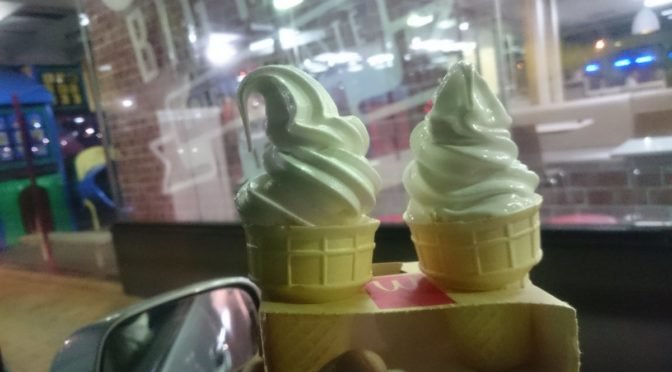
Growing up in a small rural town, I felt a strong sense of family, community, and safety. We had farmers’ markets, county fairs with greased pigs, hayrides, pie eating contest, cake walks, musical chairs, berry picking, Sunday mornings worship, and family meals around the table. As a child all appeared to be well. One evening after work, I drove home, and I told my five-year-old brother I was going to treat him to a soft serve cone at the local Custard Stand. Now mind you, at the time, it was the only fast-food place in … Continue reading Two Soft-served Cones, Please. by Elva Anderson, PhD→
Margaret Watson is the 1st place winner of Streetlight’s 2022 Flash Fiction Contest I try my best to ignore the telephone vibrating in my back pocket. I focus on what I am doing–massaging Stephen’s feet. Using lotion, my fingers like feathers, caressing the skin that is now so delicate. The vibration stops and starts again. Whoever this is, they aren’t going to use voice mail. “I’ll just get this,” I say to Stephen. I can’t be sure if he’s heard me. I step back, tap the answer icon, already knowing who it is. Barbara, … Continue reading Thank You For Calling by Margaret Watson→
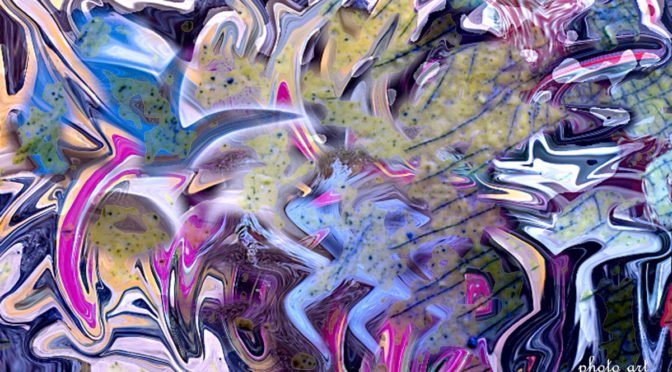
I began photographing at sixteen when I got my first paycheck from the local movie theater to purchase a 35 mm film camera, a Canon EOS Rebel G. The camera then never left my side the rest of high school. I was compelled to document everything from nature to the people in my life. As life progressed, photography may have taken a backseat, but I always found my way back to it. My book, Abstracted Distractions: teetering between here and gone showcases images from the past twenty years. My work explores images of nature … Continue reading The Photography of Kimberly Flynn→
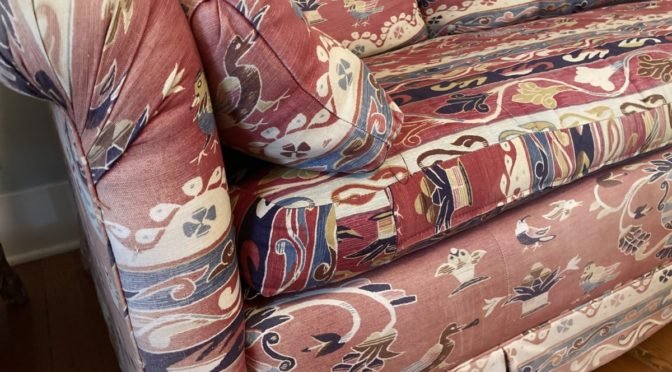
When I was thirteen, my mother left us. It was on a Sunday and she knew that Daddy, my brothers and I were away, visiting a family out on the old Nashville road. A moving van pulled up to the duplex and my mother emptied the rooms. Excited by the drama, neighbors watched from their front yards. My mother ‘stole’ the large Heriz oriental rug, the twisty verdigris wrought iron table, the African basket lamps in moss green linen shades—my friends had never seen such lamps. The hand-embroidered pillows, magenta and orange molas sewn by … Continue reading Red Sofa by Trudy Hale→
Jeff Ventura has earned an Honorable Mention in Streetlight’s 2022 Essay/Memoir Contest The love of a husband for a wife, of my father’s love for my mother, is scattered in my memory like peach blossoms after a spring storm. Sometime in the mid-to-late 70s, my mom—pregnant, and happy to leave the hot production floor of the Bonnie Lane pajama factory in New Bedford, Massachusetts—decided to open her own “beauty shop.” After all, she had graduated top of her class from the LeBaron Beauty School, and had, for a time, rented the best chair at the … Continue reading Dee’s Salon by Jeff Ventura→
I found my calling on a bleak Sunday afternoon in the fall of 1958, standing at the edge of a fetid swamp, questioning why bad things happened to little children. It was the day four-year-old Billy Flynn disappeared. I was nine at the time, living in Pawtucket, Rhode Island with my mother and grandmother, in the kind of friendly neighborhood that was pretty common back then. That afternoon had started innocently enough, in the Flynns’ backyard, right after Halloween. Decked out in Stetson hats and feathers, a bunch of us boys were playing Cowboys … Continue reading Missing by Ruth Spack→
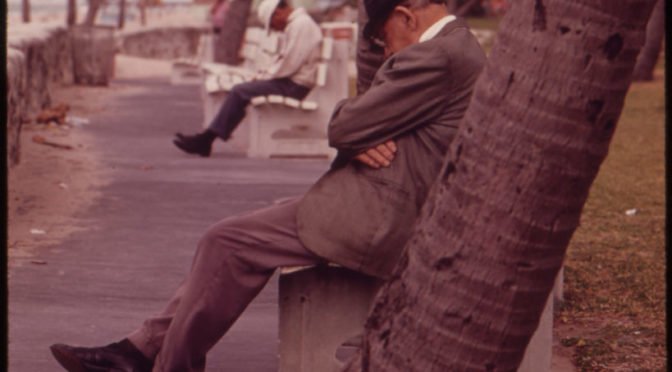
This is the place that emptied my father, sucking him through the tunnel of its straw. Four days into a farewell visit, I’ve overdosed on sunlight, rousing the insomniac within. The grass is gravid with alligators; the air poses as sand; cars scaffold a melted wax of spent bugs. Everywhere, I see darkness edging, shadows twitching to keep pace—the gloom that magics the glass into mirror. Jessica Noyes McEntee is a fiction instructor at Westport Writers’ Workshop in Connecticut and a graduate of Amherst College. Her debut chapbook, Jackie O. Suffers Two Husbands, was published … Continue reading Florida by Jessica McEntee→
Streetlight Magazine is the non-profit home for unpublished fiction, poetry, essays, and art that inspires. Submit your work today!